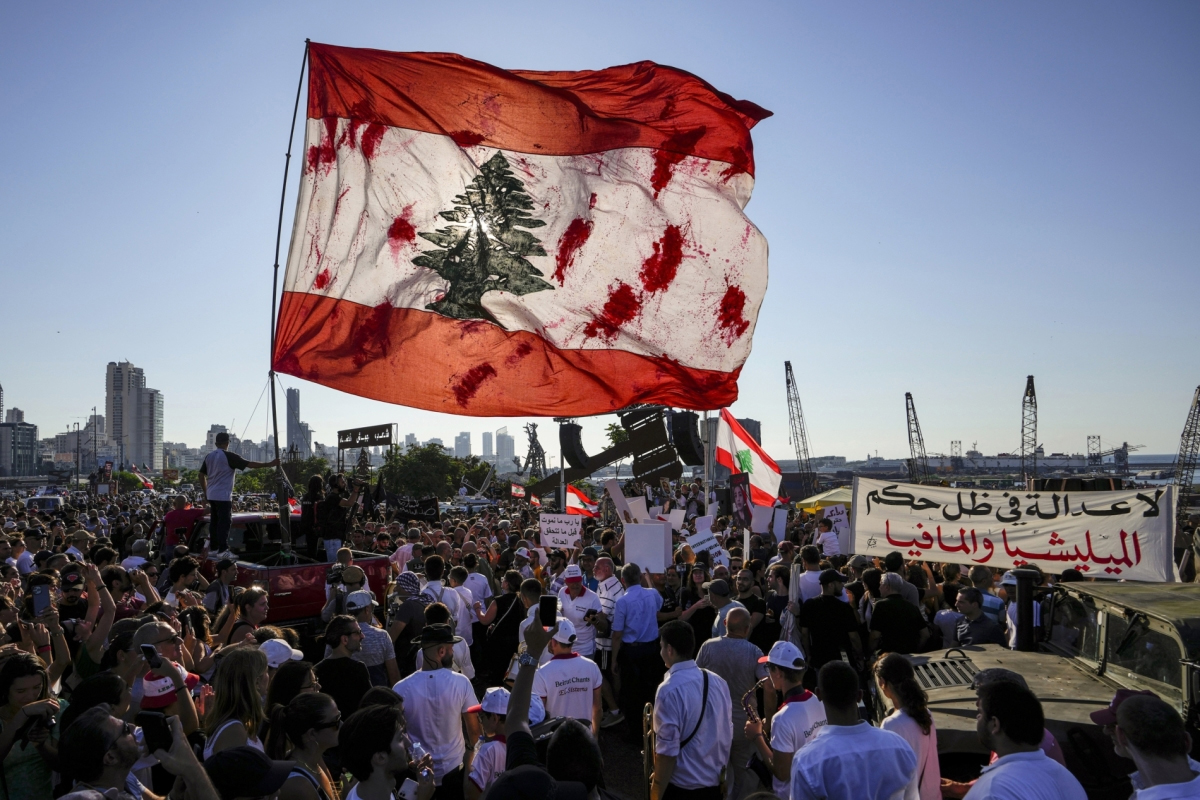
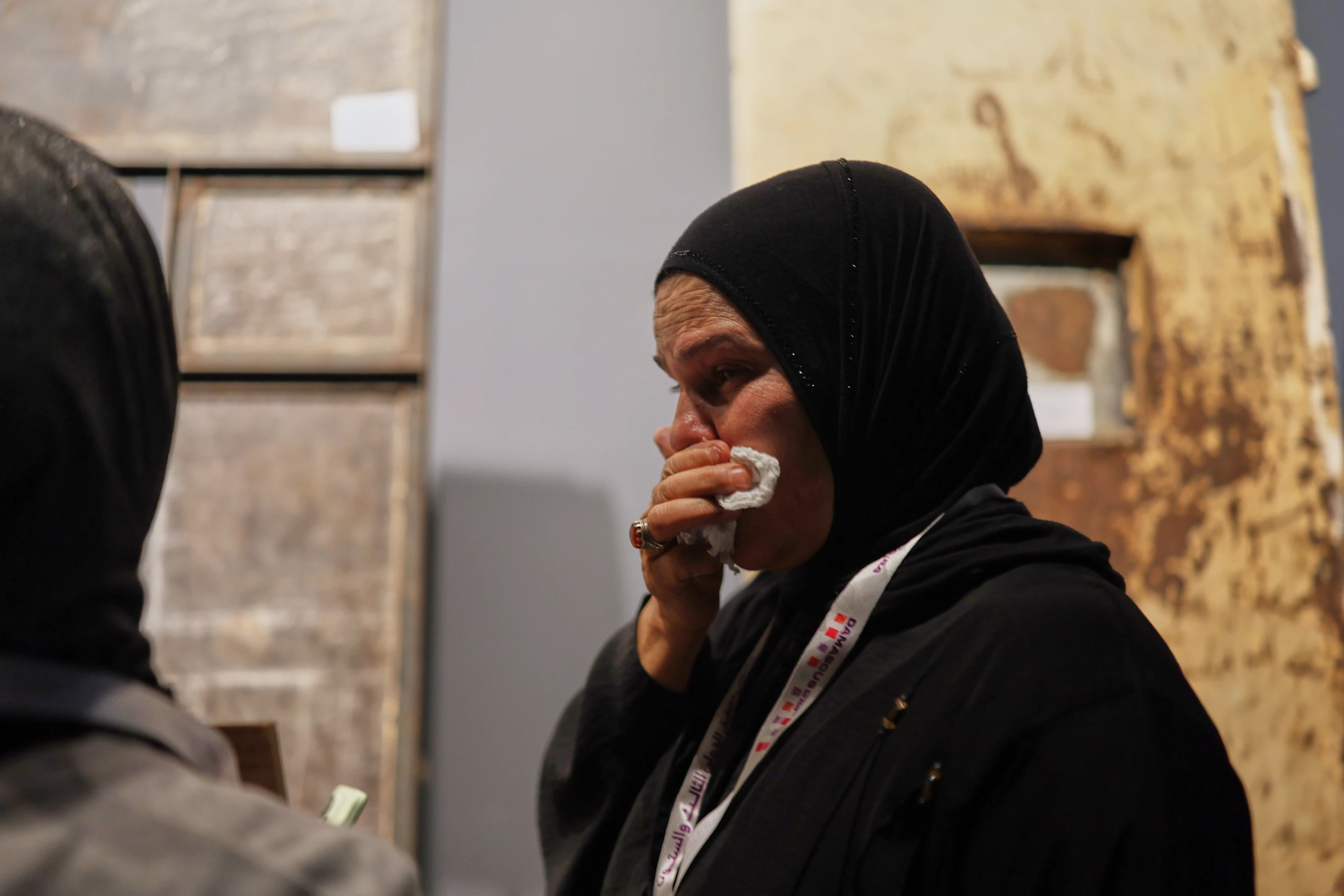
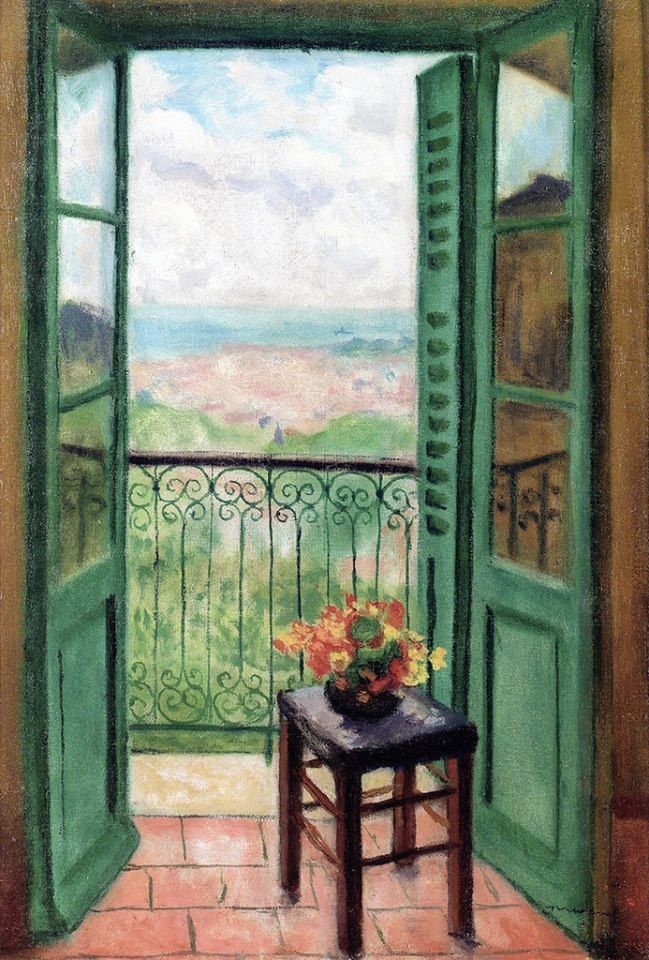
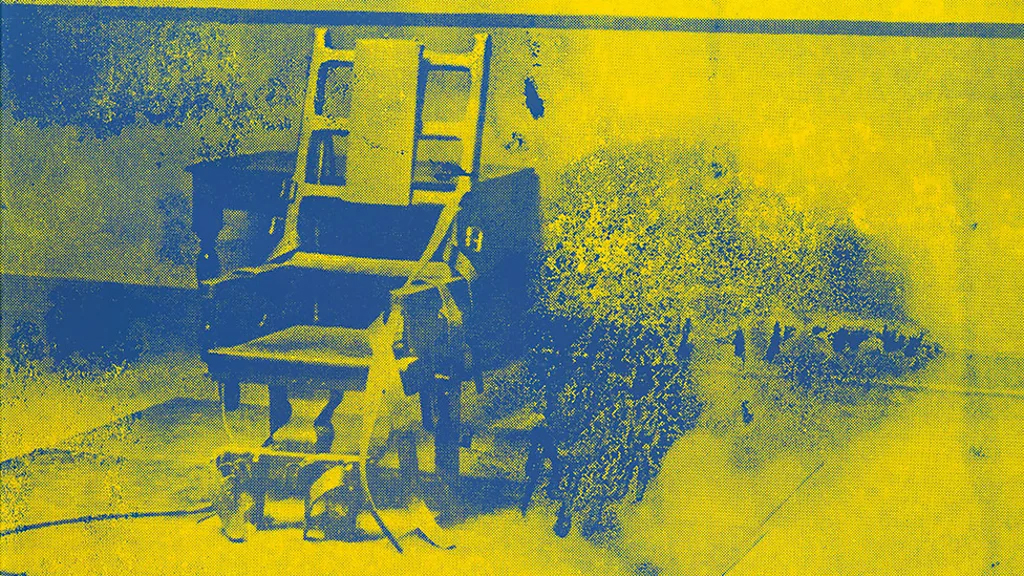
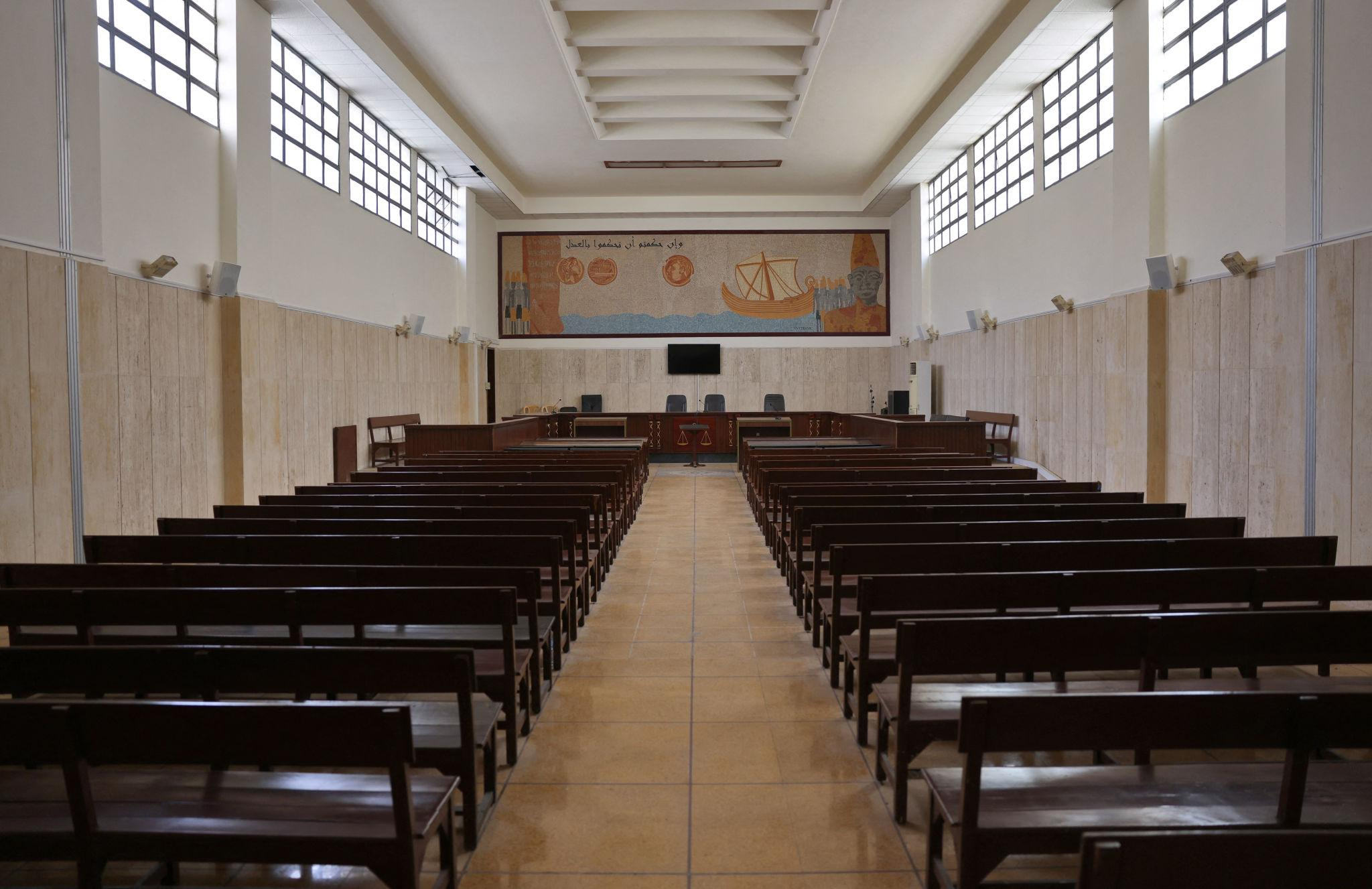

Art has played an influential role in making sense of the loss felt after the August 4 explosion. Tom Young’s “Strong Angels” and other paintings show a human dimension of the tragedy and its civilian heroes, who “join forces to lift the city’s grief,” writes Darine Houmani of Diffah Three (The New Arab). “Despite all its devastation, the August 4 explosion brought greater impetus to preserve our heritage and brought about a database of our historical buildings that hadn’t been done before,” states Mona Hallak, an architect, heritage activist, and director of the American University of Beirut’s Neighborhood Initiative, as cited in The New Arab. Several weighed in on the rebuilding efforts, including Lebanese architect Jad Tabet, who proposed “rehabilitation” rather than “reconstruction,” focusing on preserving the city’s existing social fabric and inhabitants alongside the architecture (for further reading on Jad Tabet and architectural heritage, see Al Jadid, Vol. 4, No, 25, Fall 1998; Vol. 5, No. 26, Winter 1999; and Vol. 24, No. 79, 2020). As art historian and gallery owner Andrée Sfeir-Semler says, “You need to nourish people with art and culture because that is what feeds their souls.”
Public Art and the Preservation of Arab American History in New York
By Naomi Pham
Just in time for the closing of Arab American Heritage Month, French-Moroccan artist Sara Ouhaddou in collaboration with NYC Parks, the Washington Street Historical Society, the New York City Department of Cultural Affairs, and funding by the Mellon Foundation, unveiled a vibrant art installation on April 30 that not only celebrates the history of its surrounding area, but stands imbued with the hopes of preserving the community’s legacy for years to come. With its permanent home at the Elizabeth H. Berger Plaza in the Financial District, Ouhaddou’s sculpture and mosaic installation, nearly a decade in the making, honors the memory of Manhattan’s Little Syria, which was completely demolished and its residents evicted in the 1940s to make way for the construction of the Brooklyn-Battery Tunnel. The unveiling was also organized in conjunction with a symposium at NYU’s Kevorkian Center, titled “Beyond Al-Qalam: Literary Rebellion and Visual Abstraction in Little Syria,” held on May 2, 2026, exploring the legacy of New York’s early Arab American writers.
How Arabia's Tribes Created a Common Language Without a Common State
By Naomi Pham
Arabic in the pre-Islamic era — or Jahiliyyah, the ‘age of ignorance’ — was a diverse continuum of spoken dialects and poetic language rather than a single unified language. The period encompasses the history of the Arabian Peninsula and surrounding regions prior to the spread of Islam in 610 CE, a time characterized by nomadic Bedouin tribes and a rich oral poetry tradition. Mustafa Attia Juma’s essay, “The Reality of Arabic in the Pre-Islamic Era,” explores the deep history of the Arabic language and the conditions that determined its purity.
Leila Slimani on Living Between Languages as a Francophone Writer
By Naomi Pham
Two languages, two sets of expectations — a twofold rejection on both sides, and at the heart of it, a complex relationship with identity. The Francophone writer perpetually exists between two worlds, regardless of efforts to bridge the distance between them. French-Moroccan writer Leila Slimani’s recent book, “Assault on the Border” (Assaut contre la frontière, Gallimard, 2026) explores the predicament of Maghrebi identity fragmented by two languages — more specifically, the writer’s relationship to her language, Arabic, bound by a “yearning that can never be sated, for its object was not suddenly lost, but rather never fully formed in the first place,” writes Anisa Makhalda in Asharq al-Awsat. “Assault on the Border” provides an intimate look into the writer’s personal life and reservations, especially surrounding Slimani’s “profound loss of Arabic” as a Francophone writer who has lost touch with what she considers her “paternal language.”
How Digital Images Sustain Hope Among Lebanon’s Displaced
By Naomi Pham
Social media has become an invaluable resource to many facing displacement throughout Lebanon’s ongoing conflict. A senior UN official reported to Reuters that approximately 100,000 people are registered in shelters, but the number of displaced residents is expected to be higher, as many families are staying with relatives, in public areas, or on the streets. The estimated number of people displaced from Southern Lebanon, according to statistics reported by the United Nations High Commissioner for Refugees (UNHCR) on March 31, 2026, is over 1 million, with a large percentage unable to access food, shelter, or basic necessities. For many, this is not the first time they have had to flee, but their second or even third.
Though the crime fiction genre has seen a rise in popularity among Arab writers in recent years, Arab criticism continues to treat the detective novel as inferior in the hierarchy of literary genres. Tales surrounding murder and mystery in Arab literature can be traced back to some renowned works of Arab literature — from classics like “One Thousand and One Nights” to more contemporary works like “The Thief and the Dogs” by Naguib Mahfouz or Yasmina Khadra’s “Inspector Llob” series. Yet it is not uncommon to hear the detective novel described by intellectuals as not "serious" enough or incapable of attaining the stature of novels that grapple with "serious" themes like identity, history, defeat, exile, and tyranny. Other sources state the genre has been treated as youth literature, dismissed by critics. For this reason, the genre has been sidelined as literature for entertainment rather than professional literature.
In this exemplary documentary film, women (both veiled and unveiled, religious and secular) discuss the presence of Islam and secularism in contemporary Turkish ...
Women of Turkey: Between Islam and Secularism A film by Olga Nakkas Turkey/Lebanon WMM, 2006