Essays and Features
With Assad’s Fall, a Syrian Blogger Finds New Freedom to Bond with Her Family
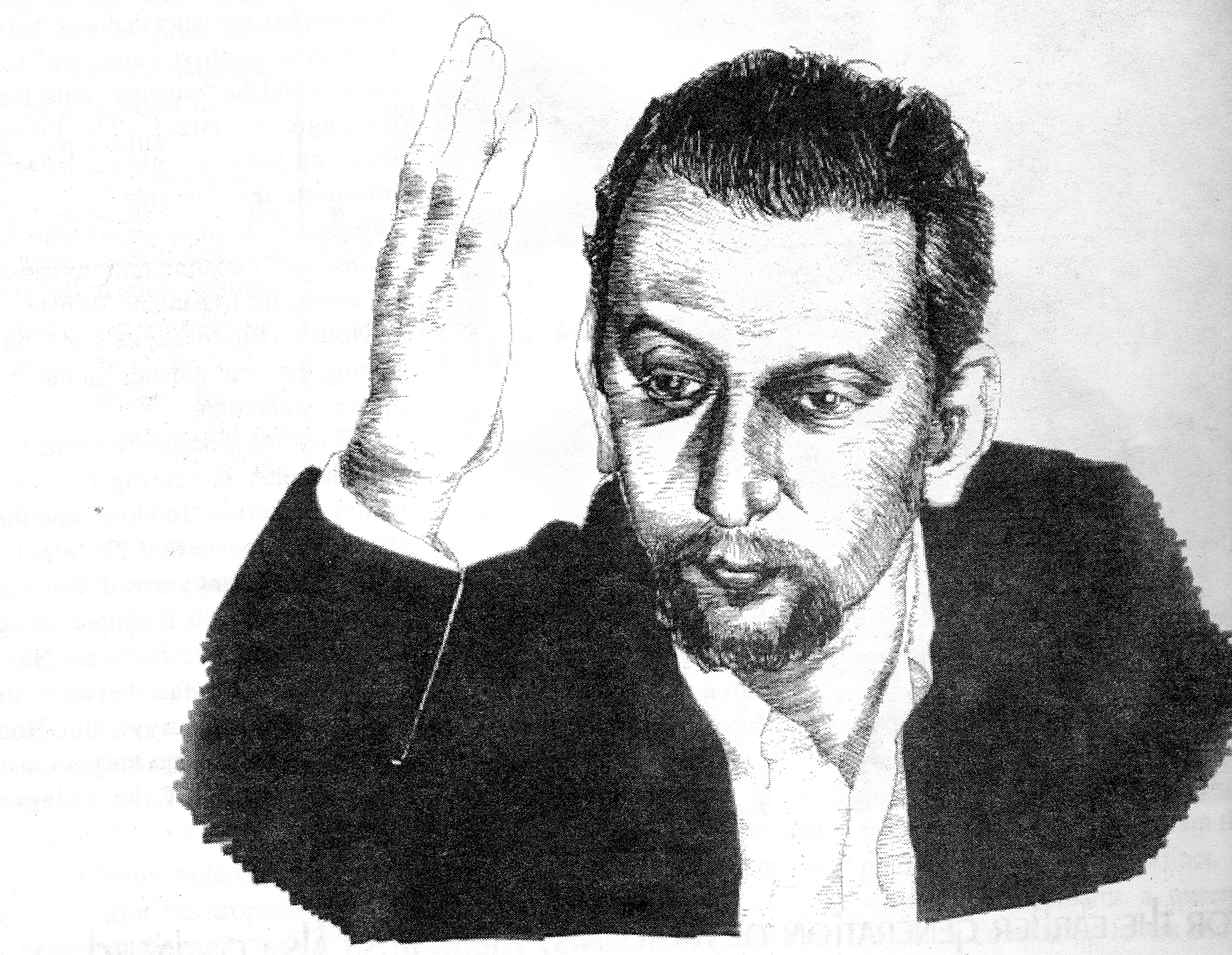
Syrian blogger Mayada Tishori illustrates the challenges Arab women face regarding their personal and political rights in a compelling essay, “My Country Was Liberated… and Now It’s My Turn,” written in Arabic for the online Lebanese newspaper Al Modon.
SHALL I RETURN?
Syrian Poet Rasha Omran Examines the Dilemma Facing Displaced Syrians
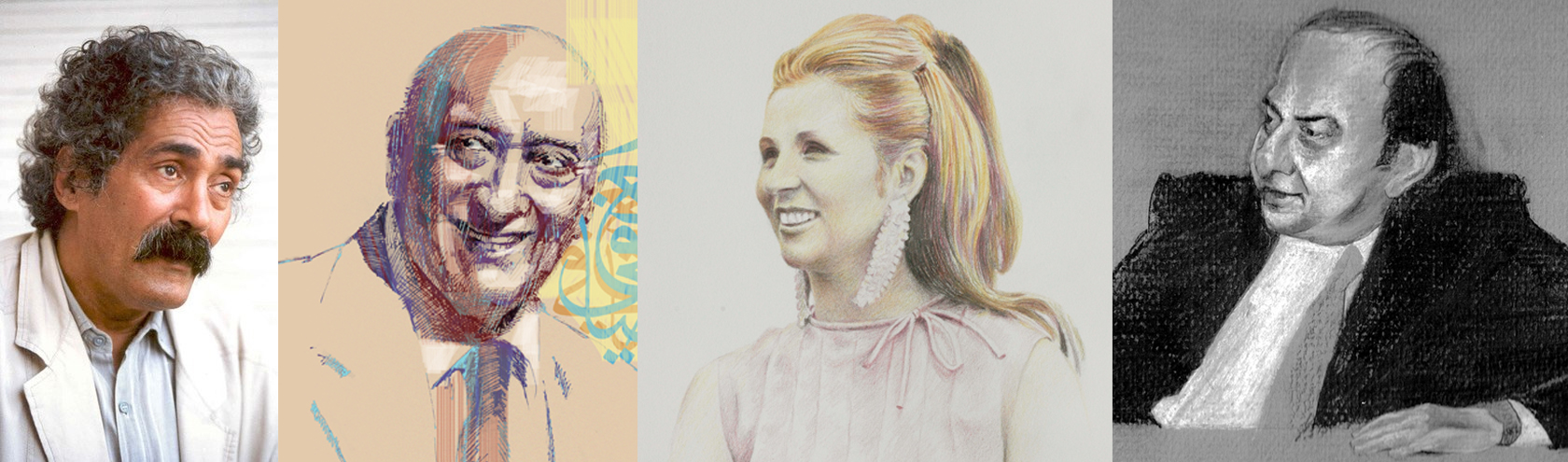
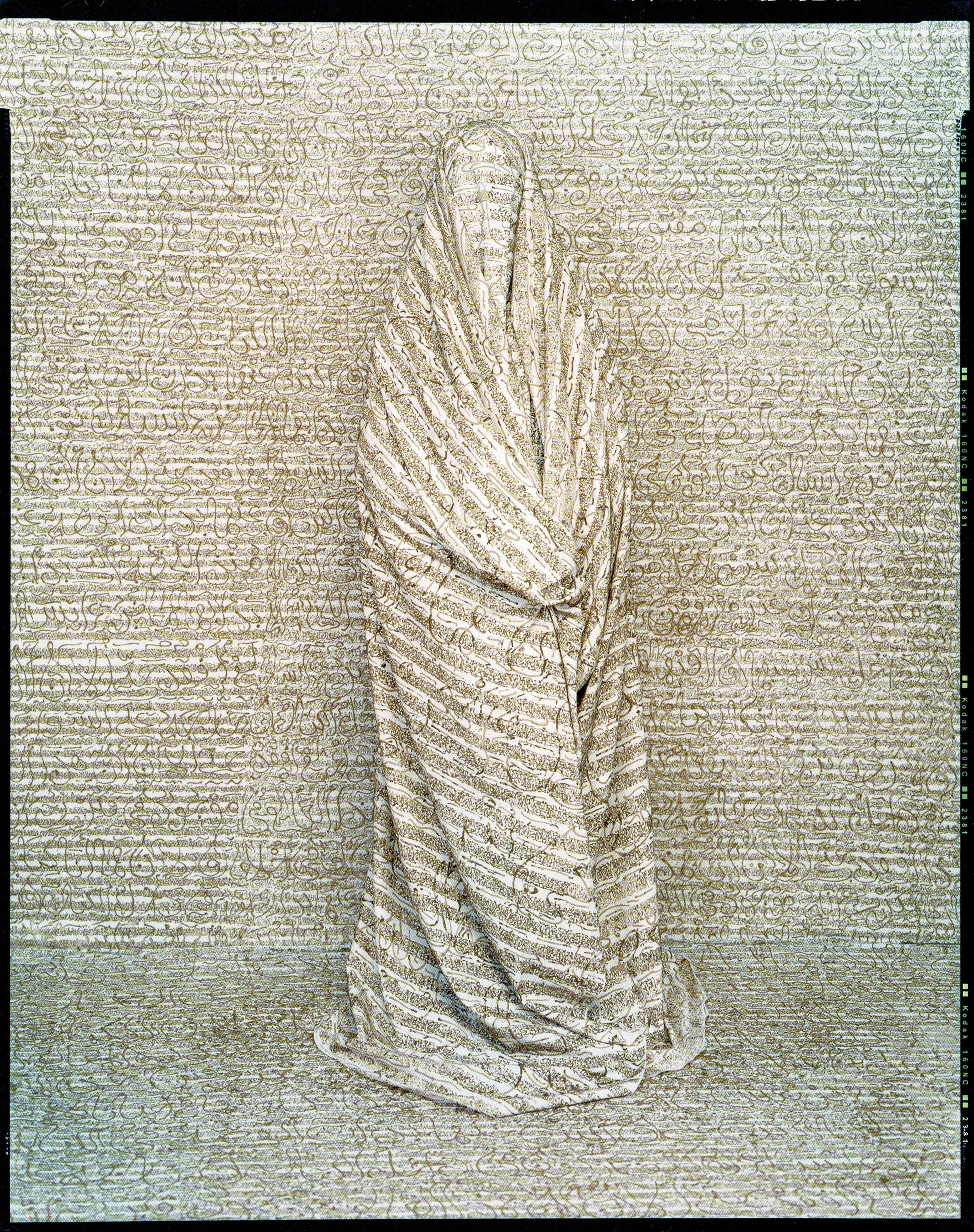
From Harem to Civil Society: The Journey of Fatima Mernissi
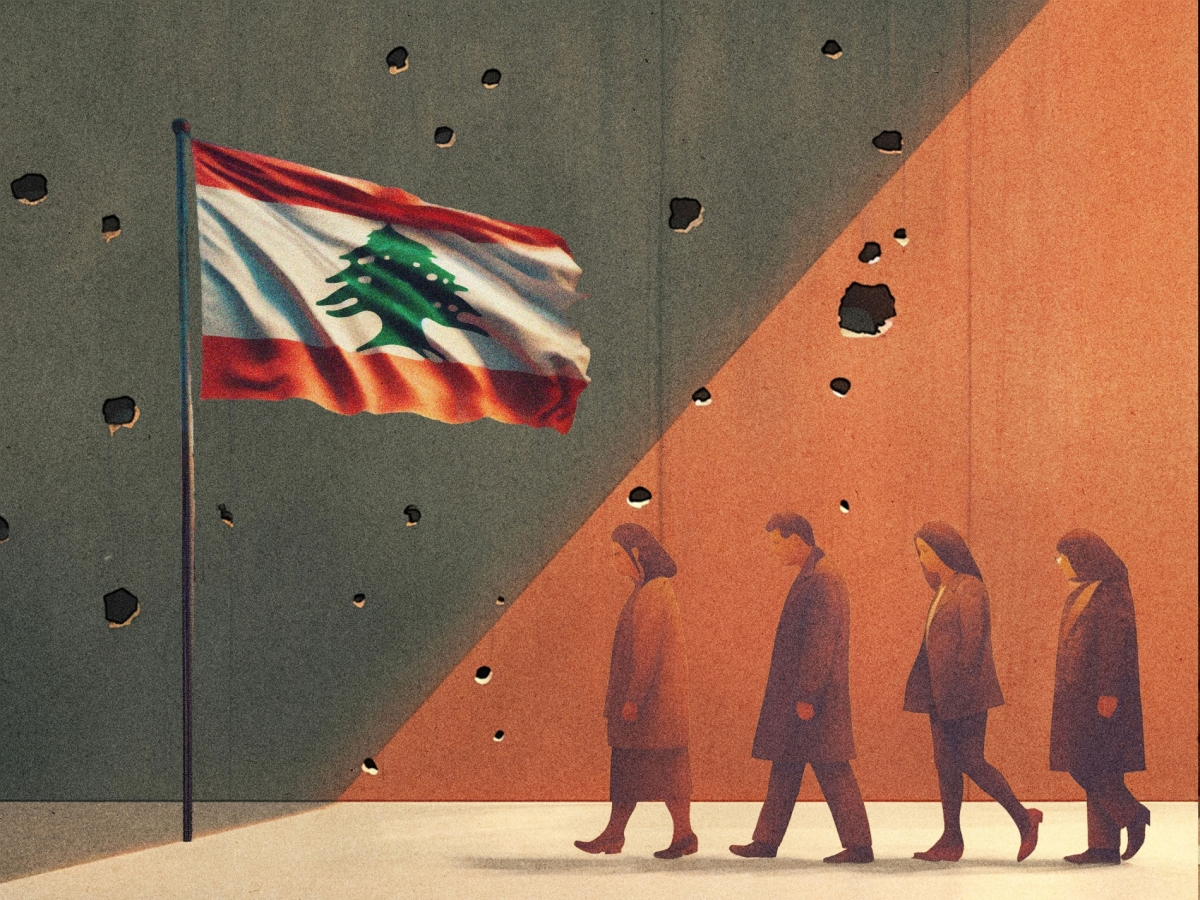
Restoring Lebanon’s Former Glory from the Clutches of ‘Dante’s Hell’: The Key to the Future Lies in the Present, Not Past
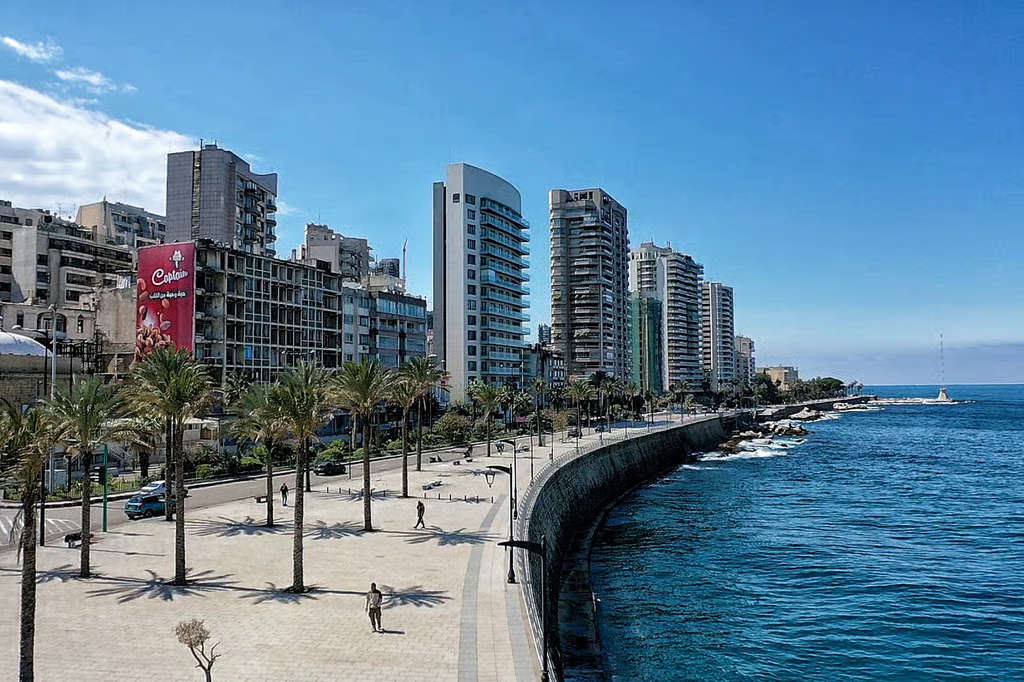
Lebanon stands on the precipice of change with its election of a president independent of the corrupt old elite and the nomination of a reformist prime minister-designate. These tides of change usher in a new wave of enthusiasm and even optimistic euphoria among some, as expressed by many intellectuals, both Lebanese and Arab. The Algerian novelist Amin Zaoui stands out among some of these optimistic intellectuals, recalling Beirut’s ‘golden years’ of the 1950s, 1960s, and part of the 1970s.
‘About the Happiness of the Oppressed’:
As the Assad Regime’s Collapse Looms, Riham Essa Reflects on the Complex Emotions Among Syrians
Reality Check: A Newly Elected Administration Navigates Lebanon's Oligarchy to Address Reforms and Reconstruction
Lebanon has recently elected a president, and the immediate response might be, “So what?” On top of this, the parliament also chose its prime minister-designate. The difference between the level of news from Syria last month and Lebanon this month sounds almost incomparable. At least regarding Syria, the fact that Bashar al-Assad is no longer the country's leader while the incumbent has not yet been elected still maintains an element of surprise for the future.
In the Face of Syria’s Suffering, Basma al-Khatib Calls for Silence from the Bystanders and Naysayers
Reflecting on Yara Nahle's 'In the Presence of Rubble'
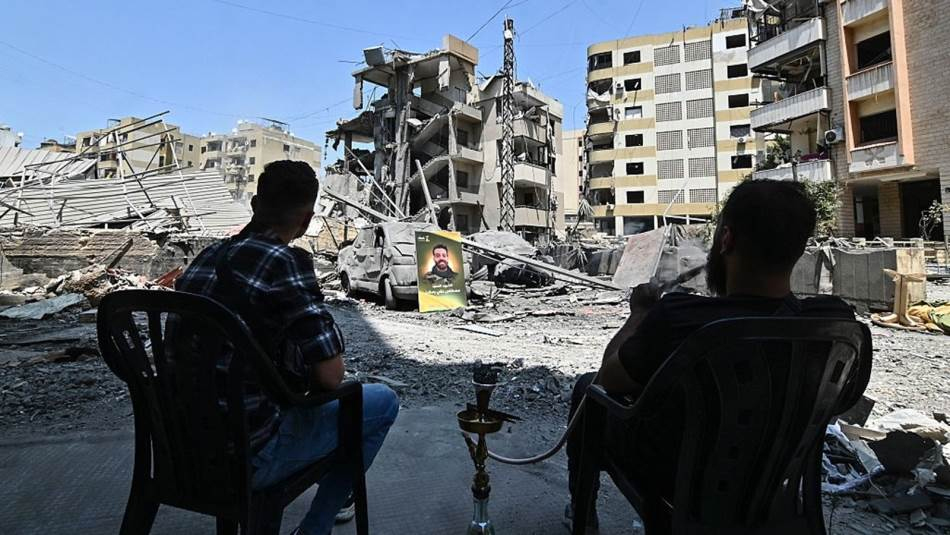
Yara Nahle, a Lebanese writer, begins her blog with the image of the ‘angel of history,’ described by the German philosopher Walter Benjamin (1892-1940) as a figure who “sees only one catastrophe, a pile of rubble before his feet." For Benjamin, history is not a continuous progression toward the future but a pile of ruins accumulated by wars, conflicts, and disasters.
"Ruins" has more meaning for Benjamin than its literal definition, which combines rubb