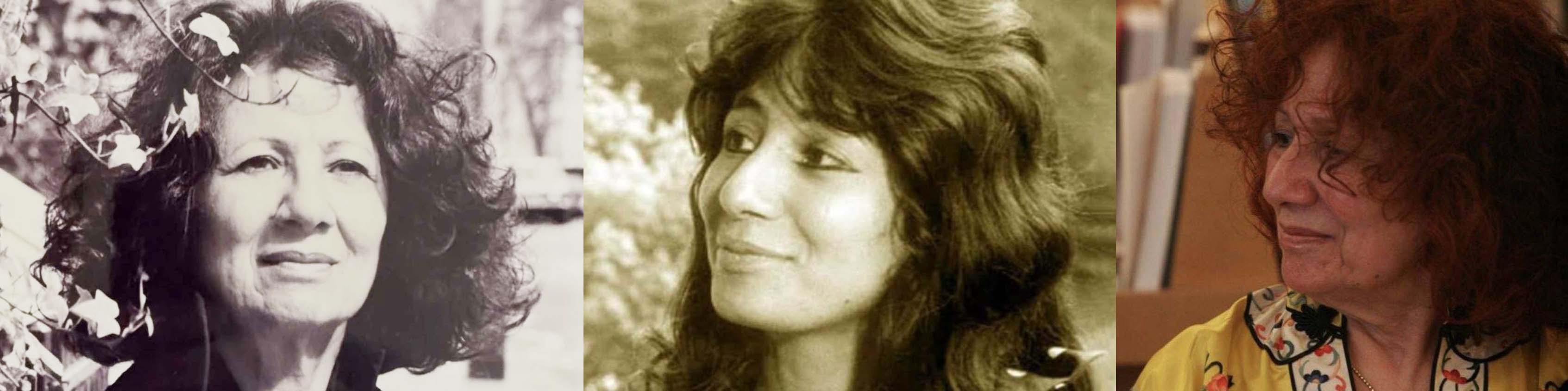
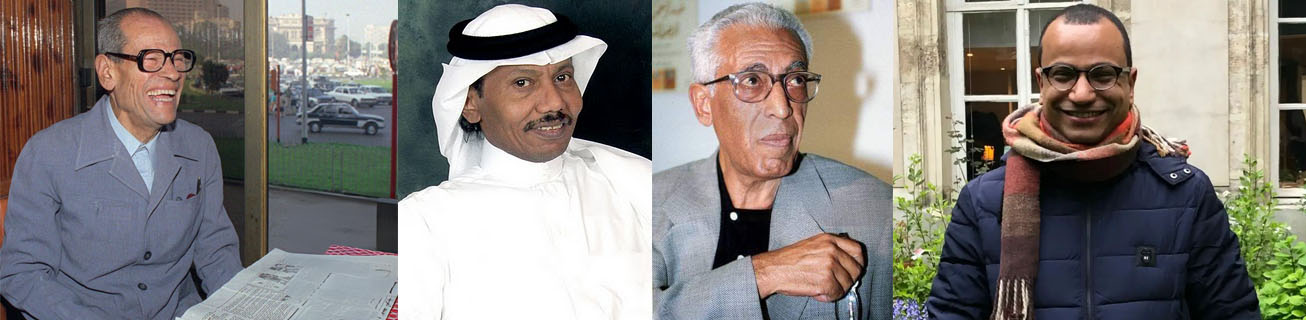
After a long stay in London, Layla returned to Beirut in 2009 to sign her novels, “I Live” and “The Gods Deformed,” and her short story collection “Spaceship of Tenderness to the Moon,” which had been republished by Dar al-Adab, at the Beirut Book Fair. Surrounded by her books, Layla seemed as if she was still preserving her old magic and charm. She was Beirut’s “star” novelist during the 60s, especially after “Spaceship of Tenderness” was banned in 1964 on charges of immorality. She was arrested, tried, and won the case.
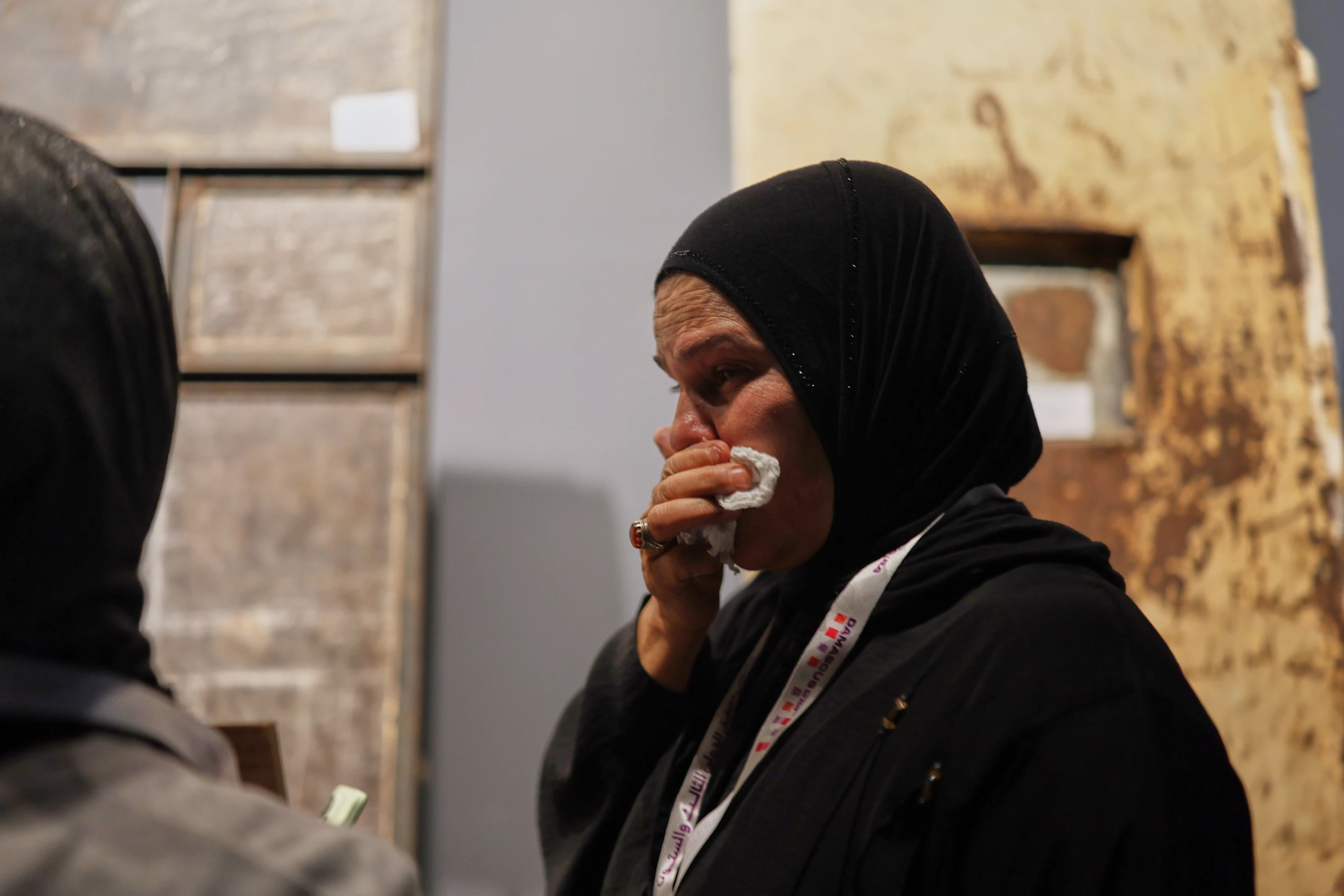
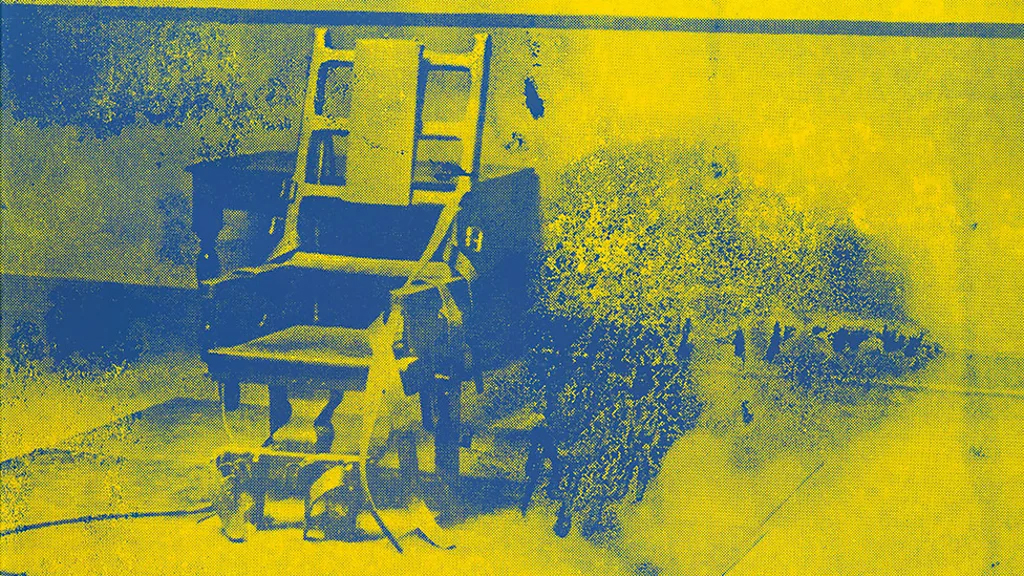
“Everything became visible. The prisons were opened. People entered them. Cells were photographed. Papers, clothes, remnants of beds, doors, and instruments of torture were collected. What had once been hidden was now placed before everyone’s eyes,” writes Sally Ali in her essay, “Should We ‘Eat Each Other’s Worries’?”, published in Al Modon.* Yet visibility does not necessarily constitute remembrance, nor does displaying the material remains of suffering mean that those who suffered have been cared for in the aftermath. The 63rd Damascus International Fair held in late August brought the horrors of Assad’s prisons out under open air for all to see. The exhibition “When the Walls Speak” was presented in the Interior Ministry’s pavilion. The exhibit included a reconstruction of a cell using real cell doors, detainees’ clothing, handcuffs and other restraints, and a chair used for torture — all items collected from the various prisons and security branches, including Military Security Branch 248, which operated under the Assad regime.
A healthy literature cannot be entirely free of crime fiction, or, more broadly, of literature that confronts crime, violence, and human conflict. No society is free of conflicts, whether visible or hidden. A brief look at Algeria’s history before and after independence reveals a long record of political upheaval, repression, and violence. The question, then, is not whether such realities exist, but whether literature is willing to confront them.
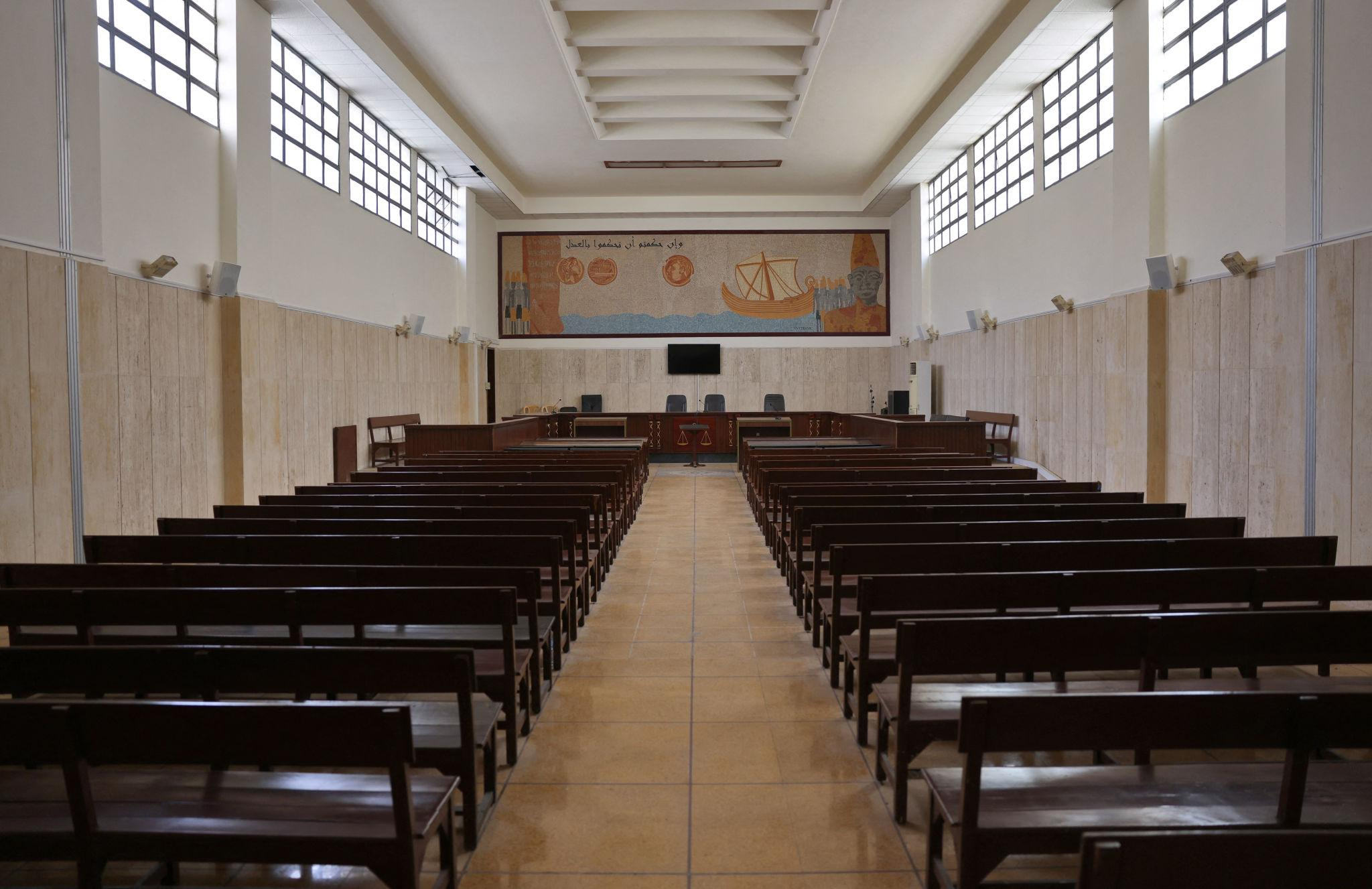
“A state is not tested when it tries someone who is widely loved. It is tested when it tries someone whom most of the country despises,” writes Sally Ali in her essay, “On One Day, Beirut Abolishes and Damascus Executes.” This observation is particularly relevant to the recent death penalty decisions in Syria and Lebanon, where the question of punishment has become inseparable from the question of state governance. On August 11, the Damascus Criminal Court sentenced former Syrian president Bashar al-Assad, his brother Maher al-Assad, cousin Atef Najib, former Defense Minister Fahd Jassem al-Freij, and five other former regime officials to death, a ruling that raises broader questions about what kind of government Syria will establish in the aftermath of the Assad regime. On the same day, Lebanon’s parliament approved the abolition of the death penalty, a decision that Marwan Harb argues may carry little meaning for Lebanese citizens unless the state can also address its political and social failures. Together, the contrasting decisions in Syria and Lebanon demonstrate how the death penalty can serve not merely as a form of punishment, but as a measure of a state’s commitment to justice, accountability, and legitimate governance.
August 4 and the Collapse of Lebanon's Last Illusion
By Elie Chalala
The Beirut Port explosion was not simply a tragic accident, but a catastrophe enabled by years of political negligence and institutional complacency. On August 4, 2020, 2,750 tonnes of ammonium nitrate stored in Hangar 12 alongside fireworks exploded, killing at least 218 people, injuring roughly 7,000, and displacing approximately 300,000 more. Yet in the six years since the blast, efforts to hold those responsible accountable have been repeatedly obstructed, leaving justice suspended and the victims without closure. Rather than focusing solely on the explosion itself, Sally Ali in her essay, “August 4 and the Insolence of Crime,” examines the political structure that allowed such dangerous conditions to persist and, more importantly, the system that has survived largely unchanged in its aftermath. The question is not simply whether justice has yet to arrive, but whether the greater danger lies in the state’s ability to endure six entire years after a crime that should have fundamentally transformed it.
French, Historical Memory, and Algeria's Linguistic Future
By Naomi Pham
In Algeria, the debate over whether French should be replaced by English has become increasingly entangled with broader geopolitical and ideological tensions, often overshadowing the country’s actual linguistic and educational needs. In his discussion of Algeria’s “language question,” Algerian novelist and author Waciny Laredj rejects both the demonization of French and the uncritical glorification of English, arguing instead for a pragmatic, historically informed, and educationally sound approach to multilingualism.* French remains deeply embedded in Algerian society, from everyday communication to education and professional life, making its complete removal an enormous and potentially disruptive undertaking. At the same time, Laredj challenges narratives that portray French solely as a colonial legacy, pointing to moments in which the language played an important role in intellectual, political, and liberation movements. The question facing Algeria is not simply whether French should be replaced by English, but whether such a transition is practical, historically conscious, and genuinely beneficial to the country and future generations.
What caught my attention amid the ongoing war involving Israel, the United States, Iran, and Hezbollah are scenes strikingly similar to those I have personally witnessed — albeit remotely — in my native Lebanon, and now, in different ways, within the diaspora.
Ali Safar, a Syrian writer and critic based in Paris, raises thought-provoking questions in his essay “Why Don’t Syrian Writers Reach Global Recognition?” — questions that prompted my selection of this issue.* Published in The New Arab, Safar’s piece explores the global marginalization of Syrian literature.
Lebanon's politics have occupied a large part of my life. Reflecting on my past and drawing on refreshed memories of early Lebanese days and the diaspora, I can clearly see that my perspective on Lebanese politics has shifted between idealistic and realistic outlooks.
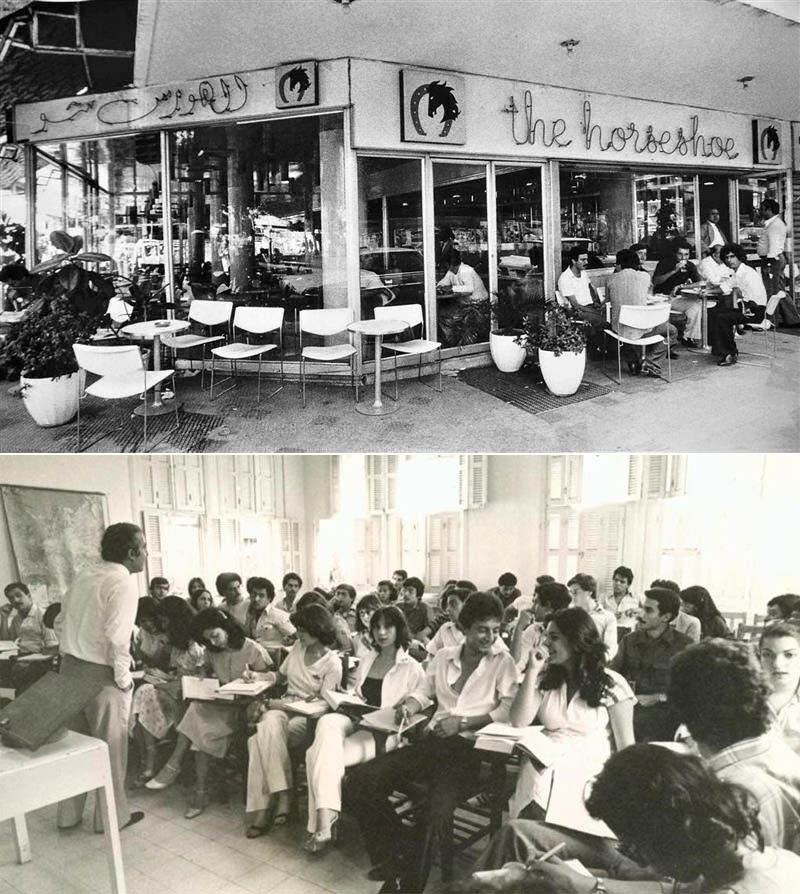
It was once true that the city was where everyone wanted to be, where those seeking change and connections would flock in hopes of realizing their dreams. Arab cities were the opportune nesting grounds for any kind of cultural activity, the birthplace of famed literary salons, social hubs, and creativity beyond the mind’s eye.
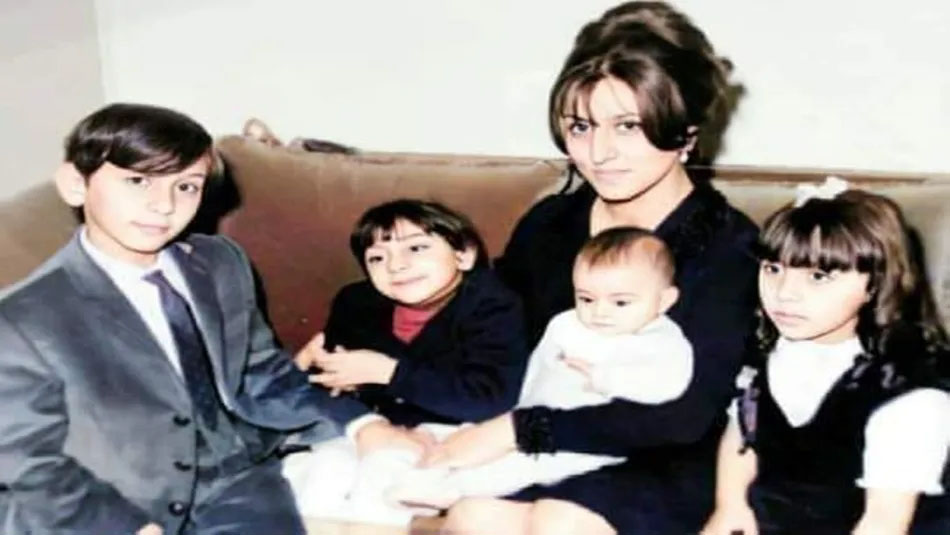
Very little is known of Hali Rahbani, the youngest son of Lebanese singer and icon Fairouz and the late Lebanese composer and musician Assi Rahbani. Hali passed away at the age of 68 on January 8, 2026, months after the death of his elder brother, the composer Ziad Rahbani.
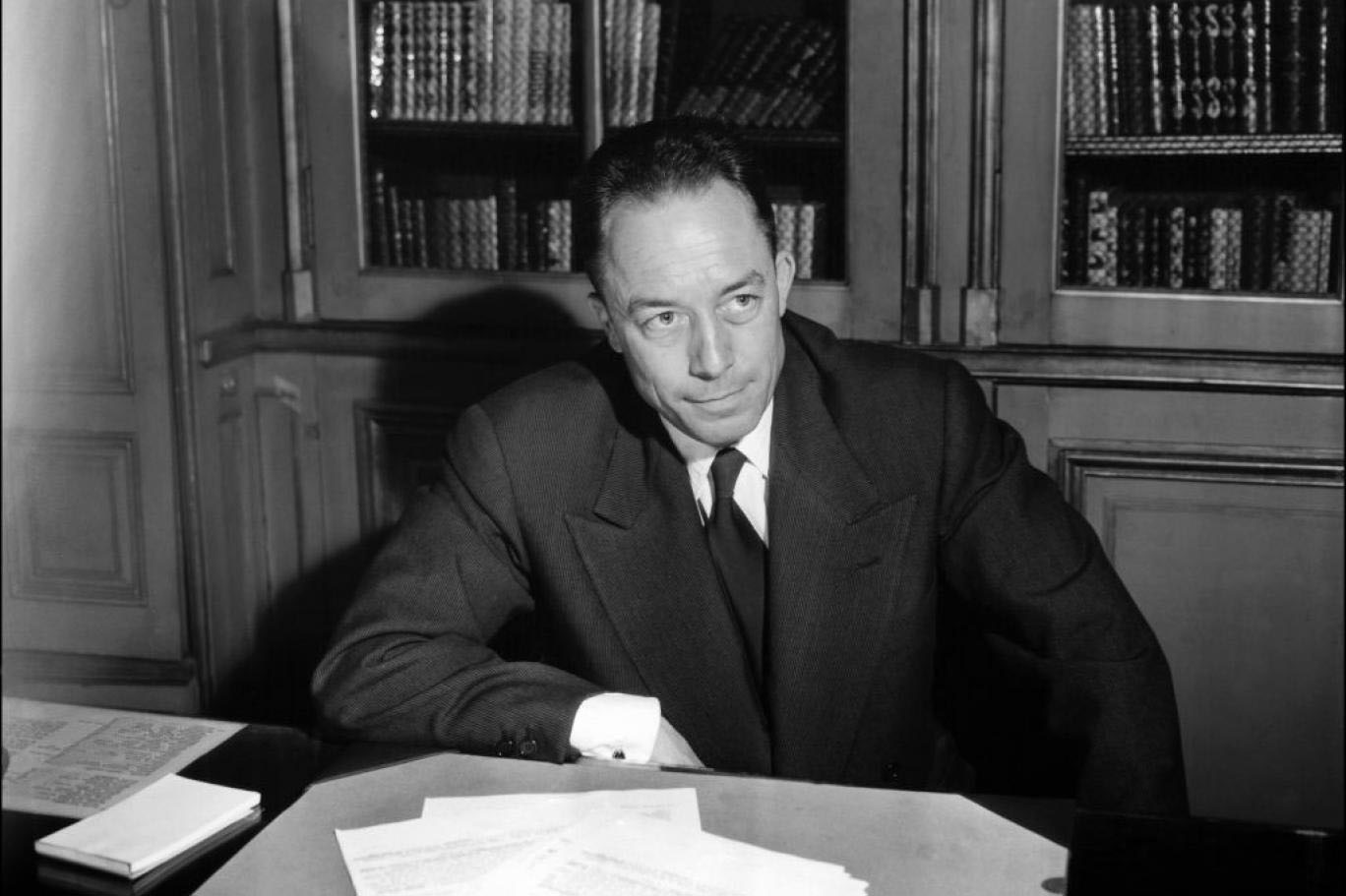
The Algerian Revolution and Albert Camus' legacy persist in Arab writings, primarily among extreme nationalists and moderate humanists. Algerian nationalists highlight Camus' silence during the Algerian War of Independence and his refusal to endorse anti-colonial struggle, which led critics to interpret his attitudes as constrained by his universalism. The discourse has featured the moderates or revisionists.
Inside a Landmark Exhibition Tracing Beirut’s Evolution and Its Unresolved Trauma
By
Naomi Pham
In the five years since a devastating explosion rocked Beirut Port, the Lebanese people and victims of the tragedy have yet to secure long-awaited answers.