Nesrine Akram Khoury on the Trauma of Displacement in ‘A Room Between Two Massacres’
By Naomi Pham
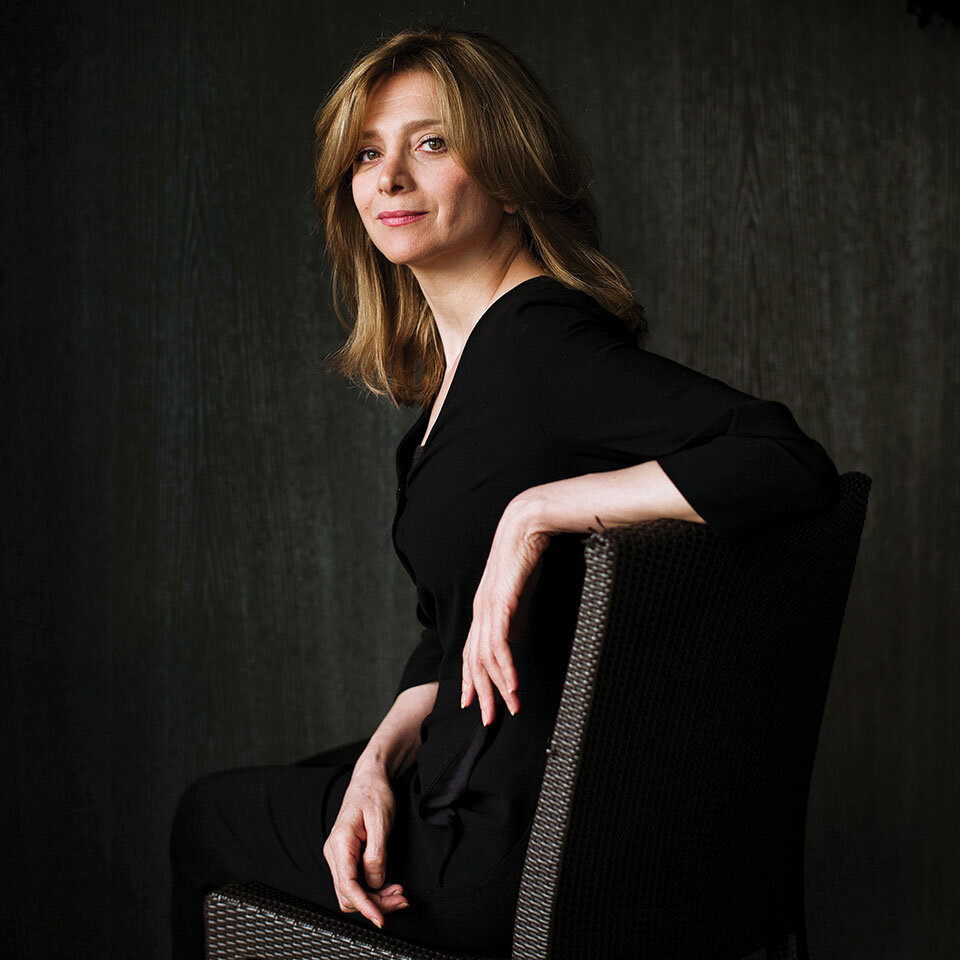
“We were surprised by the other, the room, and me. I took a small space from it, just enough to open my laptop and resume the life I had left behind, hungry and afraid. The room, in turn, took two years of my life.” In this poetic portrait of life caught between war, displacement, and cyclical violence, Nesrine Akram Khoury’s “A Room Between Two Massacres”* dredges up painful memories that may resonate with many despite their intensely personal nature.
Not a year goes by without the same discussions questioning the authenticity of literary prize culture in the Arab world. Since its inception in 2007, the International Prize for Arabic Fiction (IPAF), often referred to as the Arabic Booker Prize, has been the subject of scrutiny among literary critics and authors. Ghazlan Touati's article "The 'Booker' and Arab Women Writers...
Language is not just a means of expression; it shapes identity and offers a broader, more complex connection to culture. In his essay “Arabic Literature in French: A Confusing Classification,”* published in Al Quds Al Arabi, Algerian novelist Waciny Laredj unravels the complex relationship between Arab writers, the French language, and identity. Language, he writes, is not merely a tool of expression — for many, it is a “home” and a determinant of cultural and intellectual vision, especially among writers who adopted French, whether by necessity or strategic choice, whose Arab identities were erased and sidelined in the literary world.
Syria Strips Away Symbols of the Old Regime to Reveal the Layers of Hell Beneath Damascus
By Elie Chalala
Syrian novelist Samar Yazbek recently returned to Syria and has written and given interviews on exile, displacement, fear, alienation, and the devastation of war. Having lived in displacement for nearly a decade, the thought of returning frequently occupied her mind. Her essay, “In Damascus, a Steep Road Leads to Hell,”* published in the New Arab newspaper, covers her experience as a returnee.
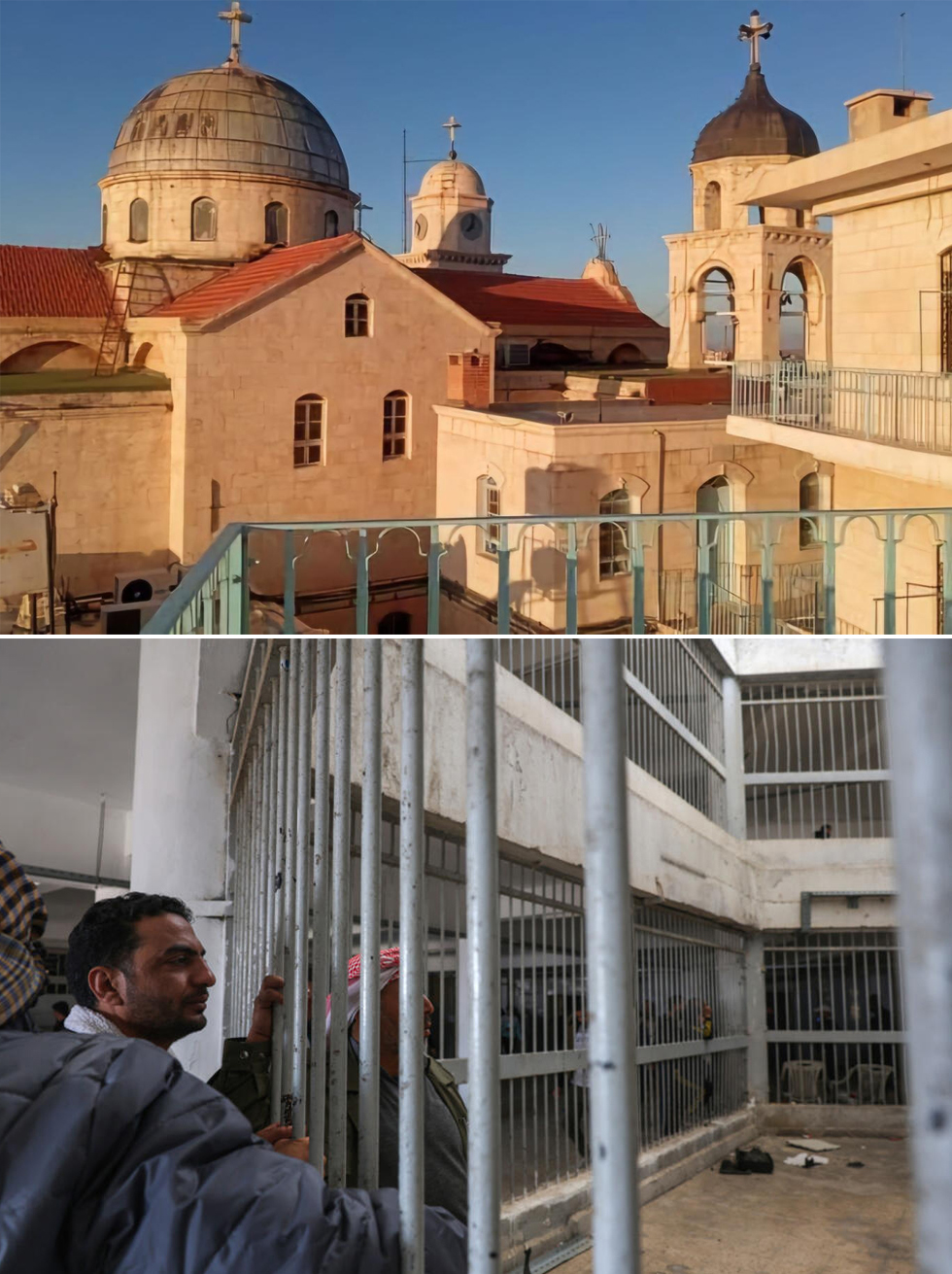
A reader may wonder why I am so captivated by prison literature. Personally and professionally, I have had to address this valid question with deep conviction, as it lies at the heart of Middle Eastern and Arab studies. Yet, I find it challenging to offer a concise answer for several reasons. One stems from my doctoral research on Syrian politics, where the themes of prisons and prisoners featured prominently.
Suppose we must encapsulate the essence of Abeer Dagher Esber’s message for Syrians to remember, now and in the future. In that case, it should be the words she leaves at the end of her essay in Al Modon newspaper: “Our detention centers and the shame they represent — something we hope never to endure again — are woven into the fabric of our souls and cities, the stains on our brows that generations strive to erase and forgive. Our detention centers reflect a complex relationship with a collective memory we hesitate to confront, fearing we might be accused of mere rhetoric and shedding sentimental tears in unfamiliar cities.”
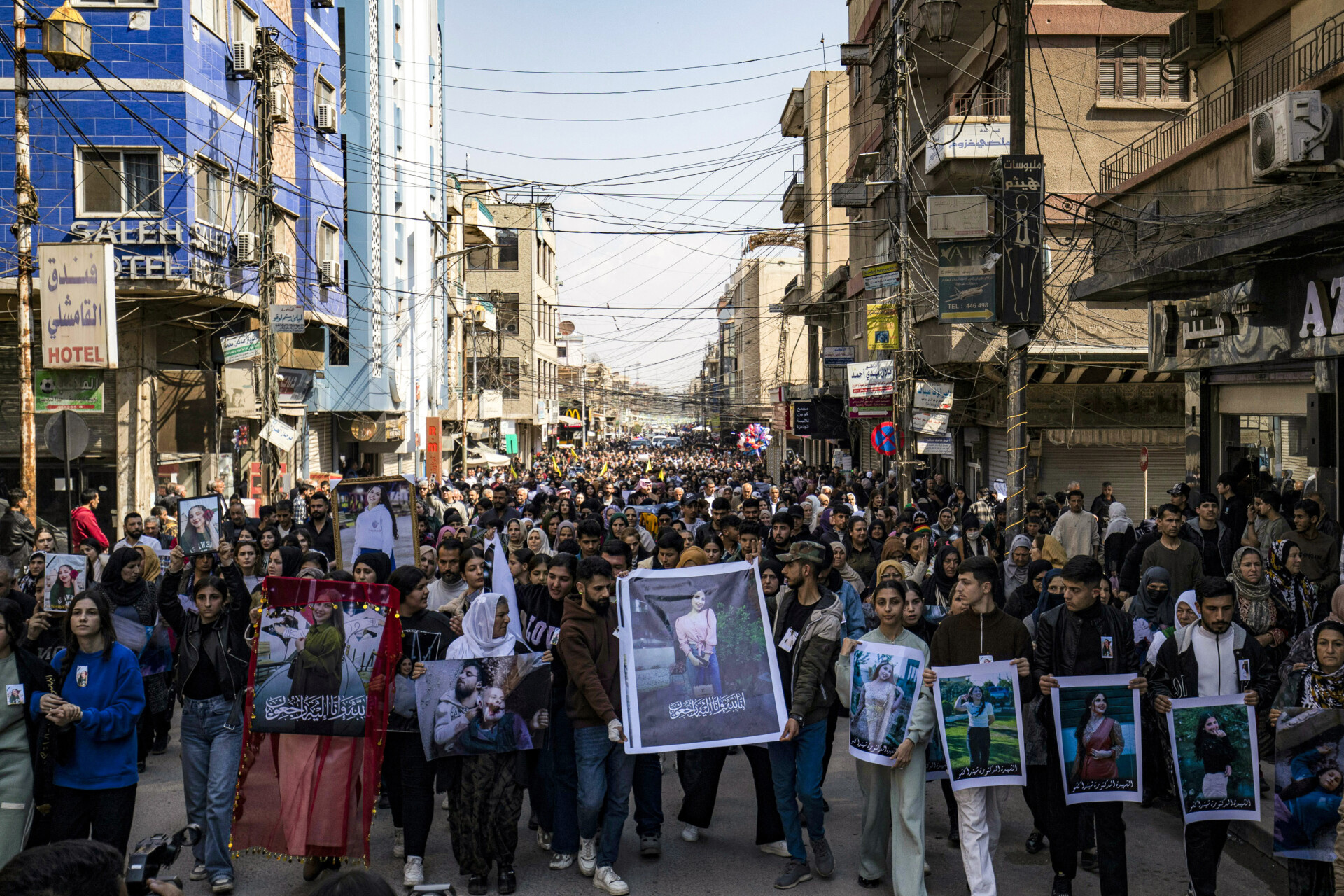
What occurred on March 6 off the Syrian coast has long been anticipated following the downfall of the Assad regime. However, it unfolded several weeks later. The accurate prediction of violence on the Syrian coast did not require exceptional foresight but was tragically Pavlovian. The defeat of Assad's forces, primarily supported by the Alawites, at the hands of Hayat Tahrir al-Sham (HTS), a Sunni Muslim-dominated group, had set the conditions for a sectarian conflict. "Syria: Fear vs.
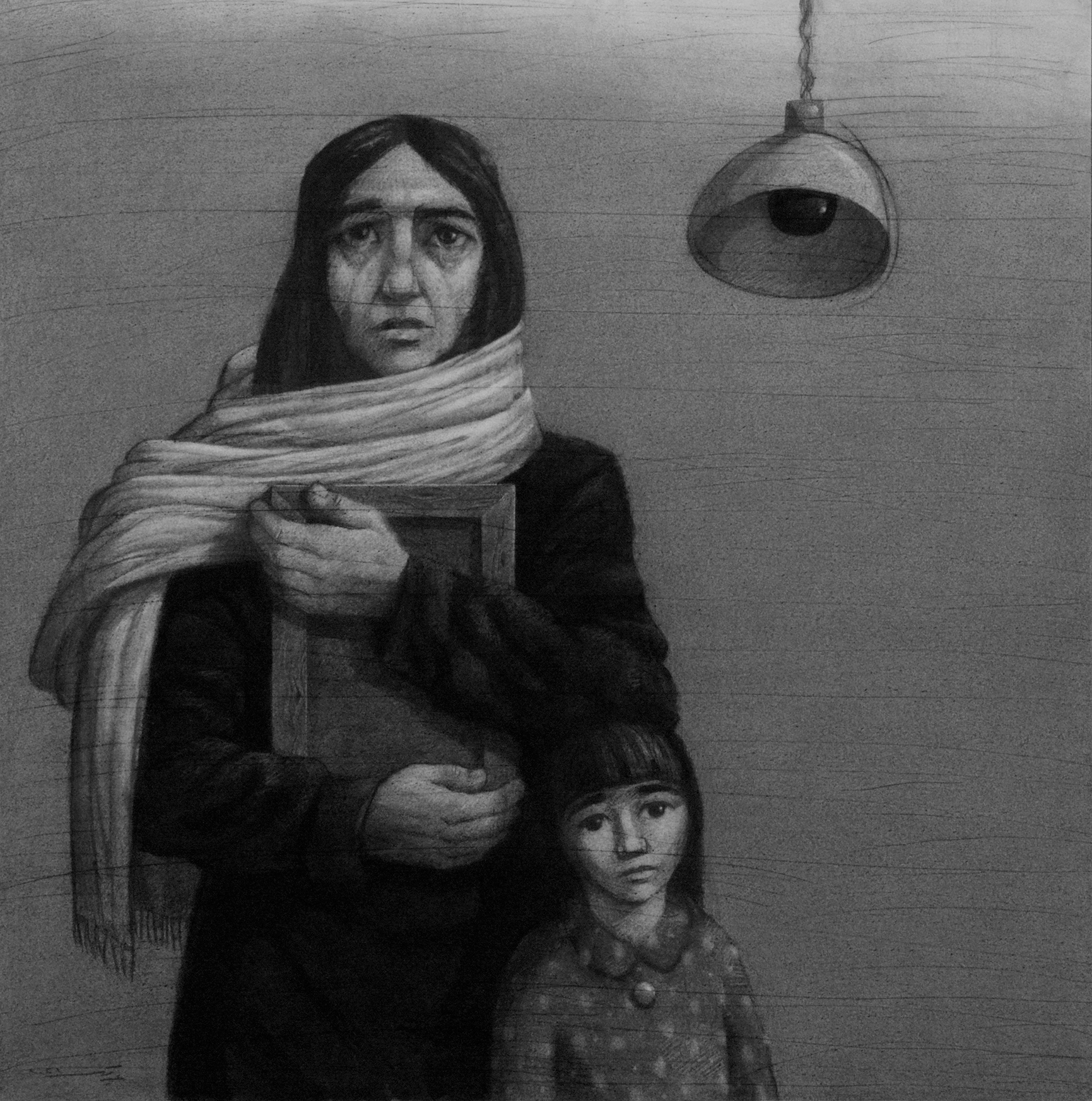
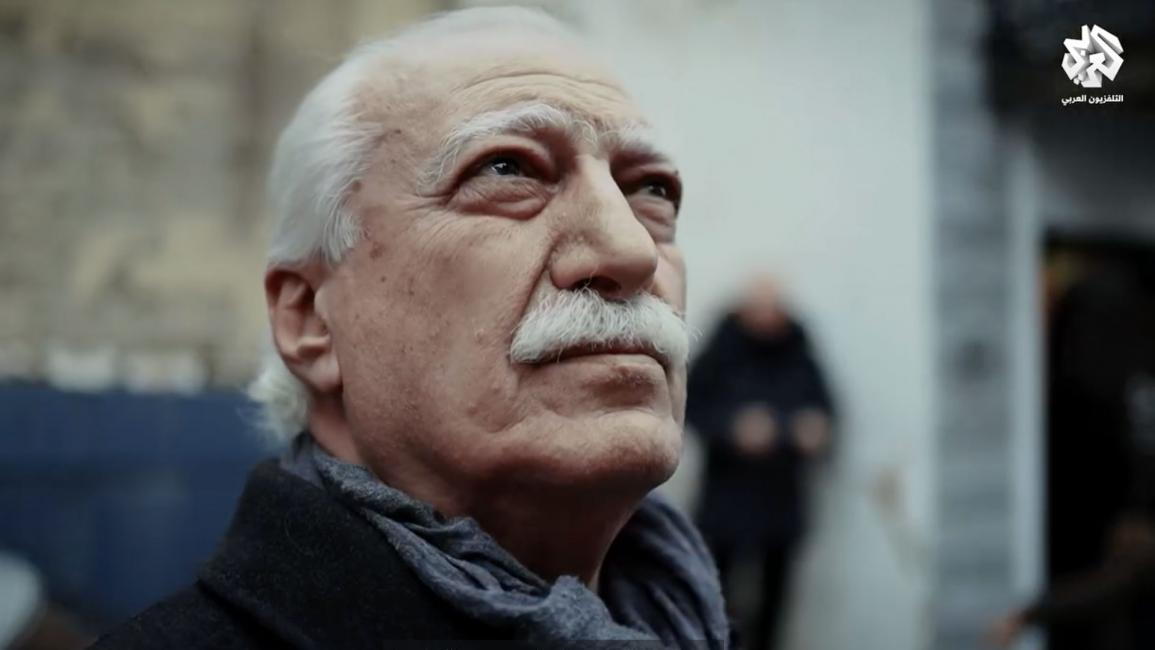
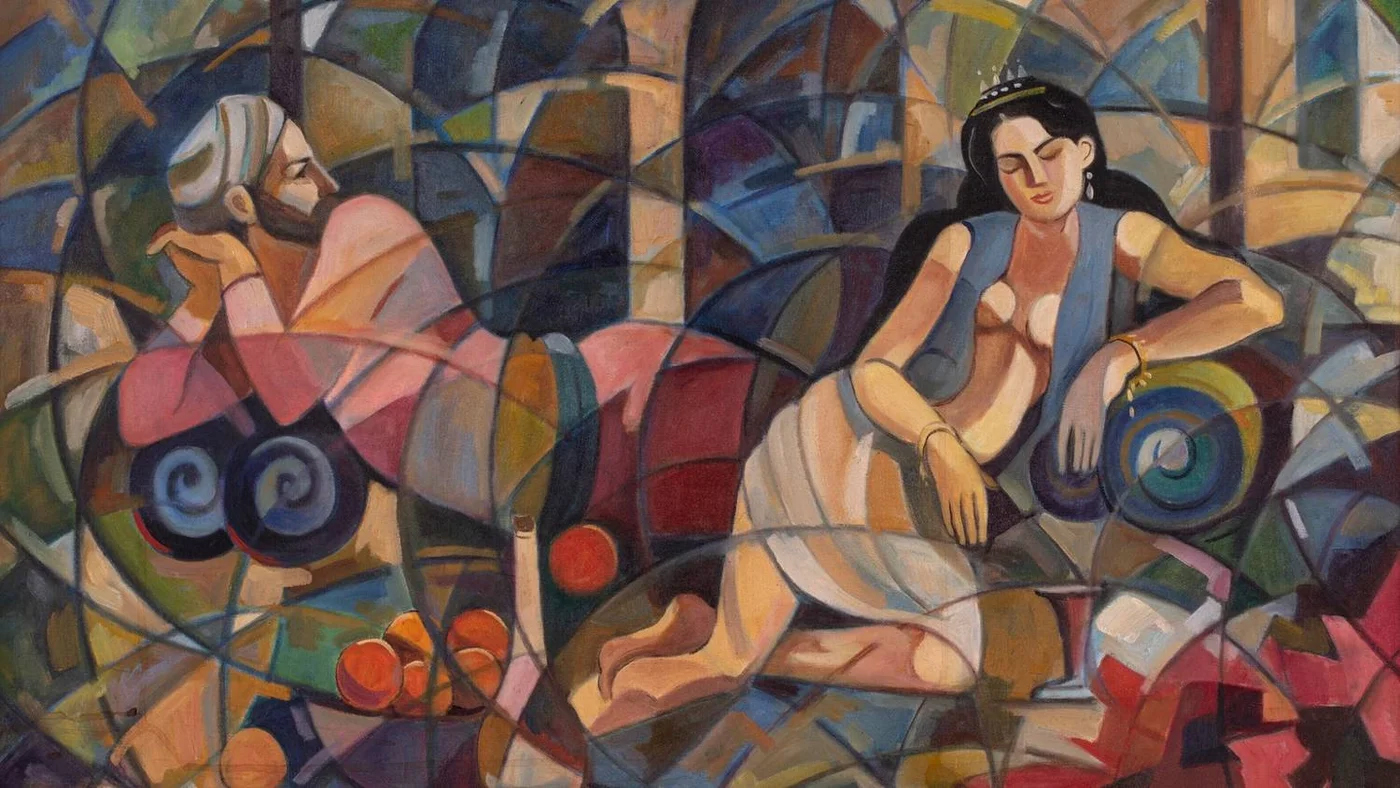
Since the downfall of the Assad regime, Syria’s preeminent painter, Youssef Abdelki, has remained active in both the artistic and political spheres. Maen al-Bayyari honors the artist’s impactful contributions, calling for his recognition from the creative community in his essay, “Youssef Abdelki’s Obedient Tears,”* published in The New Arab. Bayyari’s article is not a biographical profile of Abdelki, but rather an effort to move past the “long night” and recognize the artist’s contributions and sacrifices for Syria’s struggle for freedom, both before and after the 2011 Revolution. He states, "It is natural that no tribute will be held for him in his country during that long night; I believe it is essential to organize a significant celebration for him, as freedom has remained a central theme in many of his works, sculptures, paintings, and graphics." This recommendation genuinely deserves attention.
Narratives are powerful forces. When Syrians wake up after each conflict to proclaim or revive a narrative, they are, as Fadwa Abboud argues in her article "The War of Syrian Narratives" (published in Al Modon newspaper), "continuing their wars by other means." Abboud contends that Syrians are both victims and architects of the stories they tell about themselves. These narratives often evolve into tales of victimhood, shaping political and cultural growth through socialization.
Since the fall of the Assad regime, Syrians have been discussing the kind of future government they desire. These discussions have occurred on Facebook and at conferences inside and outside Syria. The 14-year war has intensified these debates, and the identity of the new power in Syria, Hayat Tahrir al-Sham (HTS), led by Ahmed al-Sharaa, has further influenced them. This formerly extremist Islamic group has recently moderated its positions and become more open to various political perspectives. However, the latest development has raised skepticism: the new government has adopted a temporary declaration of constitutional law as its legal foundation, asserting that Islam should be the source of legislation and the president's faith. This has intensified the heated debates surrounding the new state's stance on Islam.