Essays and Features
A common methodology for Arab critics, journalists, historians, and academics in studying different cinema, music, and other art fields is to categorize them under “Golden” or “Classic” eras, which are defined based on a system of values, a code of behavior, or another classification, such as progressive or conservative. The downside of this method is that it may not allow for impartial analysis and may prevent a thorough understanding of the subject at hand.
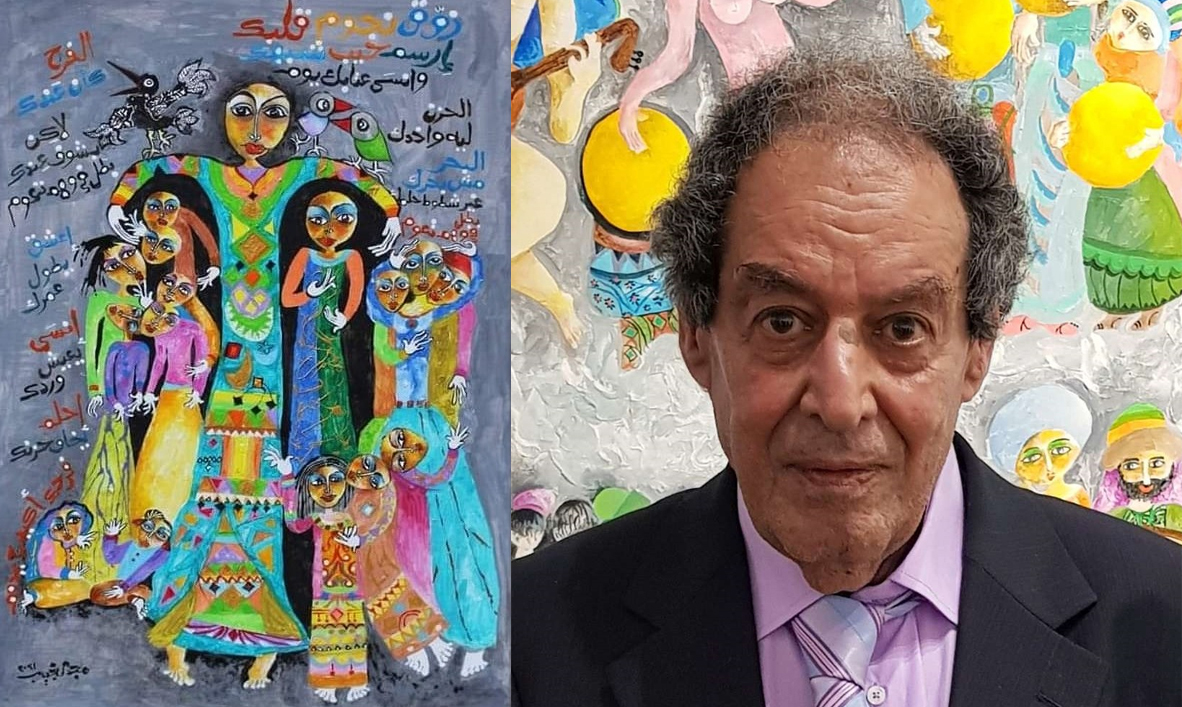
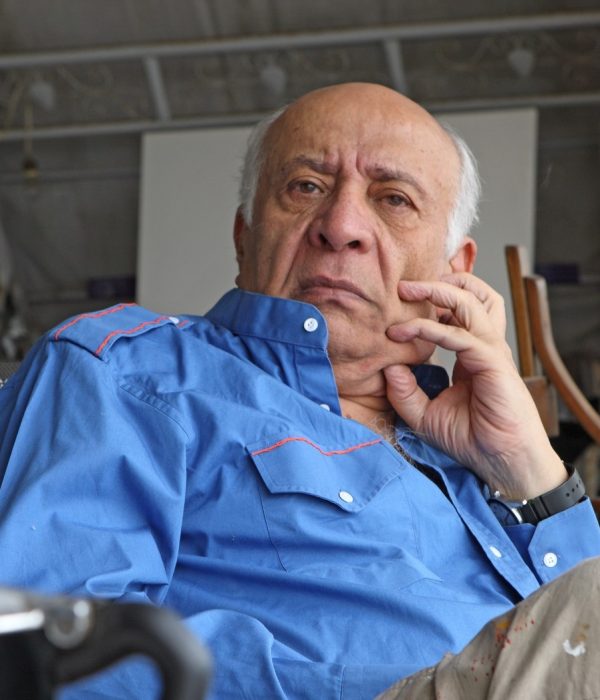
Fateh al-Moudarres: Syrian Artist Who Fought for Justice with Brush, Pen
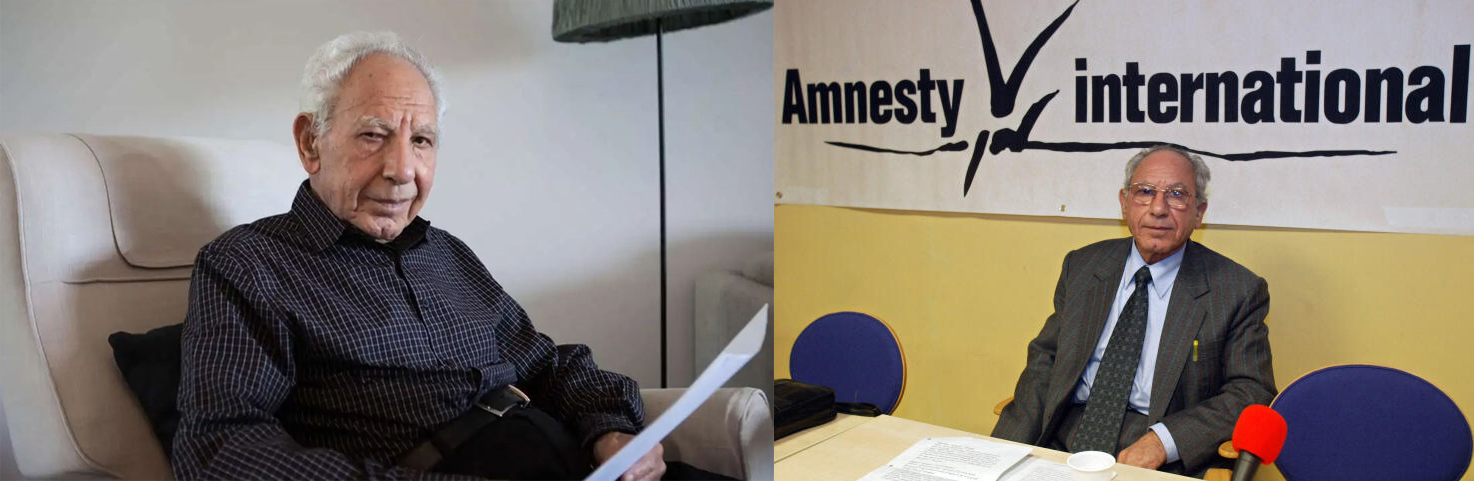
Deconstructing the Algerian Revolution
Algerian Identity 60 Years After Independence: Reclaiming Memory and Sovereignty Over Language Amid Lingering French Tensions
Growing Dysfunction of Arab Societies Parallels Rise in Violence Against Women
Gender-based violence is not a new phenomenon in the Arab world. Attacks against women have been on the rise for years. One might recall the attacks on female social media influencers in 2018, leading to the deaths of former Miss Baghdad Tara Fares, beauticians Rasha al-Hassan and Rafif al-Yasiri, and the human rights activist Suad al-Ali.
Riddles: A Living Part of Arab Folklore
Looking at Reading Rates Beyond Bogus Statistics
Yes, Arabs Read! But How Much?
Mona al-Saudi (1945-2022): The Sculptor Who Befriended Stone and Challenged Traditions
Multiple Pressures From State Repression, Fundamentalist Retribution, Cultural Critiques and Competition From Global Media Choking Off The Voice Of The Arab Intellectual
Many definitions of Arab intellectuals are rooted in the idealistic tradition that glorifies them as guardians of values and ethics, as figures closer to “angels” and “faqihs,” who stand above politics and power struggles and enjoy a monopoly over the authority of knowledge. These notions reflect social illusions and popular perceptions of the time when intellectuals were considered part of a sacred class.