Scholarship on the Mahjar writers saturates much of the existing literature and discussion of Arab American literature, often alongside the contemporary writers of the third wave. By comparison, second-wave literature shares hardly a fraction of the attention between these two periods. From 1948 to 1973, second-wave writers occupied a surprisingly quiet and subdued presence despite the tumultuous developments occurring around them and in the Arab world.
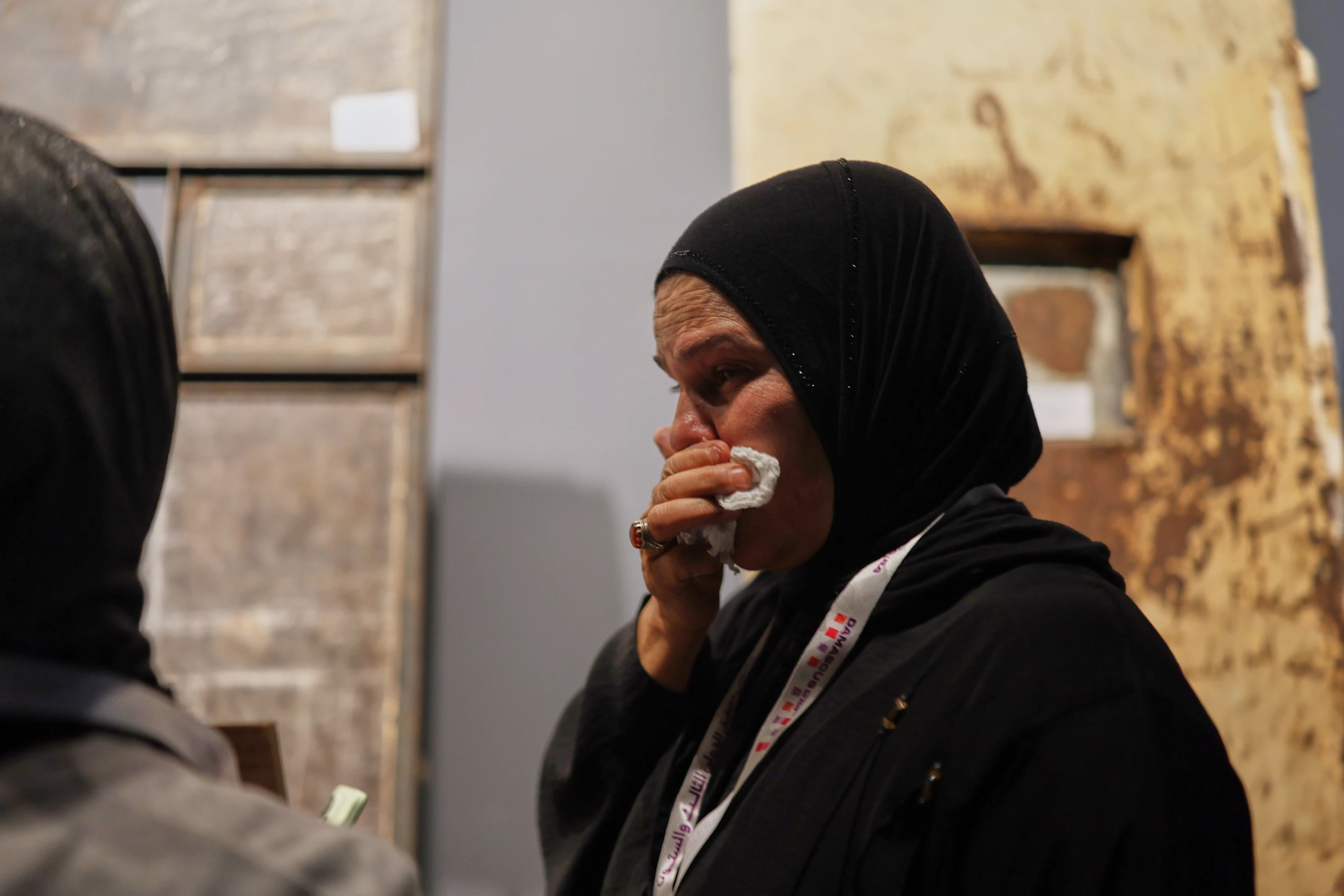
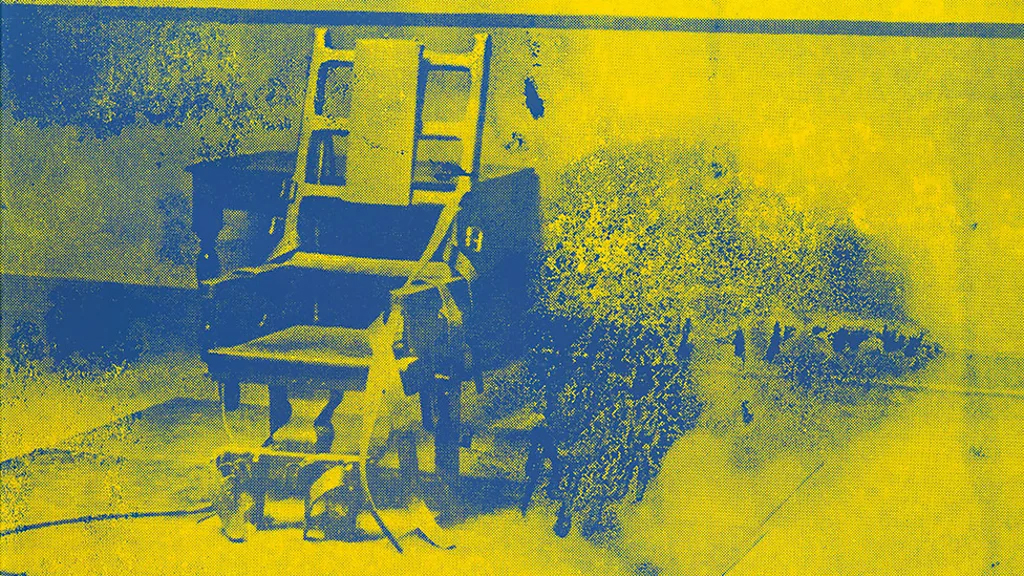
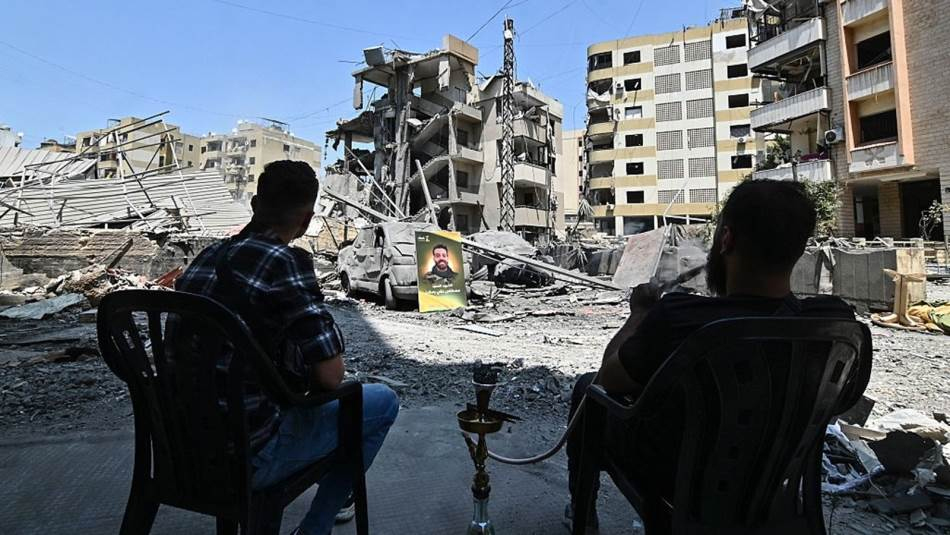
“Everything became visible. The prisons were opened. People entered them. Cells were photographed. Papers, clothes, remnants of beds, doors, and instruments of torture were collected. What had once been hidden was now placed before everyone’s eyes,” writes Sally Ali in her essay, “Should We ‘Eat Each Other’s Worries’?”, published in Al Modon.* Yet visibility does not necessarily constitute remembrance, nor does displaying the material remains of suffering mean that those who suffered have been cared for in the aftermath. The 63rd Damascus International Fair held in late August brought the horrors of Assad’s prisons out under open air for all to see. The exhibition “When the Walls Speak” was presented in the Interior Ministry’s pavilion. The exhibit included a reconstruction of a cell using real cell doors, detainees’ clothing, handcuffs and other restraints, and a chair used for torture — all items collected from the various prisons and security branches, including Military Security Branch 248, which operated under the Assad regime.
A healthy literature cannot be entirely free of crime fiction, or, more broadly, of literature that confronts crime, violence, and human conflict. No society is free of conflicts, whether visible or hidden. A brief look at Algeria’s history before and after independence reveals a long record of political upheaval, repression, and violence. The question, then, is not whether such realities exist, but whether literature is willing to confront them.
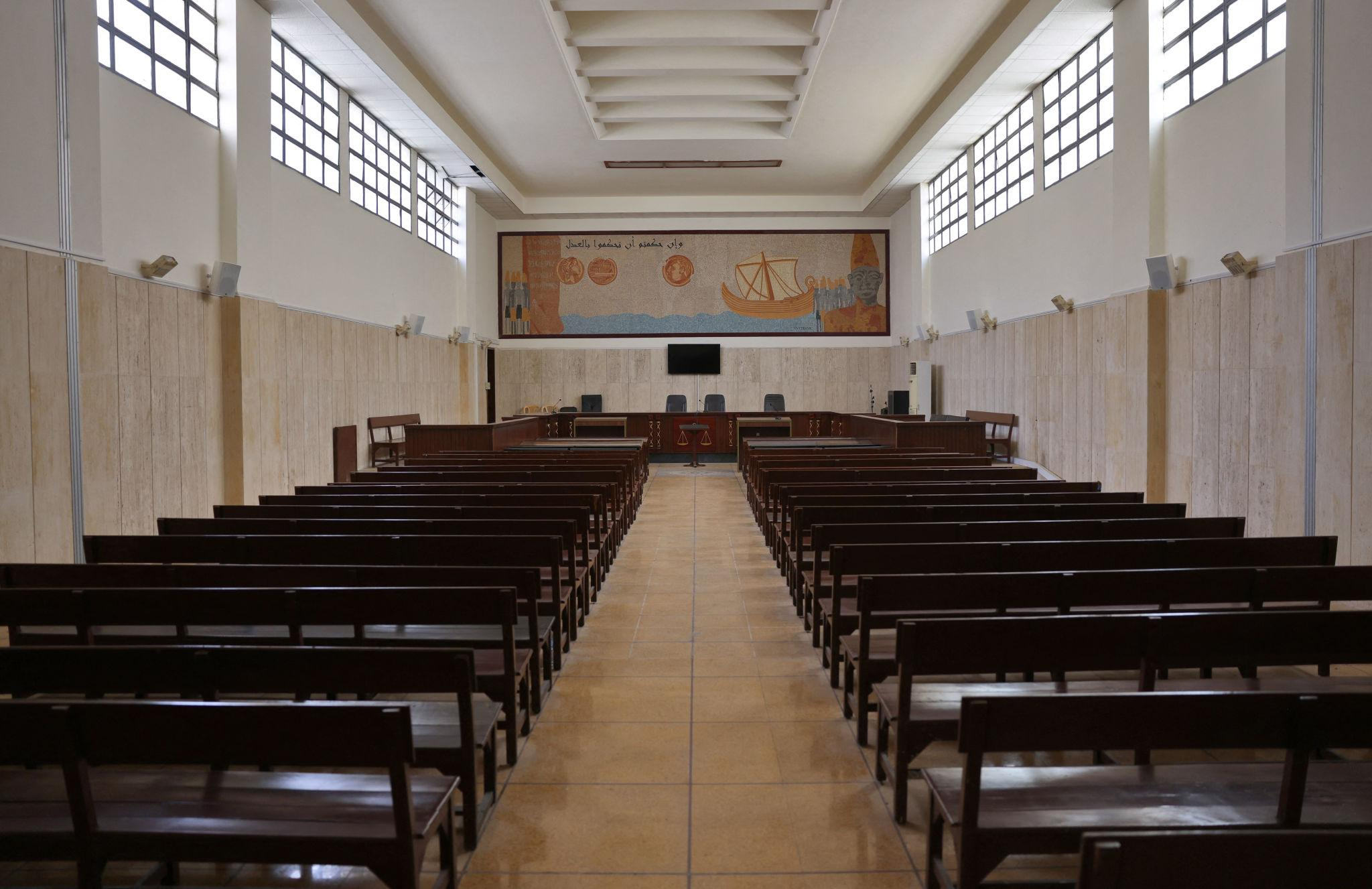
“A state is not tested when it tries someone who is widely loved. It is tested when it tries someone whom most of the country despises,” writes Sally Ali in her essay, “On One Day, Beirut Abolishes and Damascus Executes.” This observation is particularly relevant to the recent death penalty decisions in Syria and Lebanon, where the question of punishment has become inseparable from the question of state governance. On August 11, the Damascus Criminal Court sentenced former Syrian president Bashar al-Assad, his brother Maher al-Assad, cousin Atef Najib, former Defense Minister Fahd Jassem al-Freij, and five other former regime officials to death, a ruling that raises broader questions about what kind of government Syria will establish in the aftermath of the Assad regime. On the same day, Lebanon’s parliament approved the abolition of the death penalty, a decision that Marwan Harb argues may carry little meaning for Lebanese citizens unless the state can also address its political and social failures. Together, the contrasting decisions in Syria and Lebanon demonstrate how the death penalty can serve not merely as a form of punishment, but as a measure of a state’s commitment to justice, accountability, and legitimate governance.
August 4 and the Collapse of Lebanon's Last Illusion
By Elie Chalala
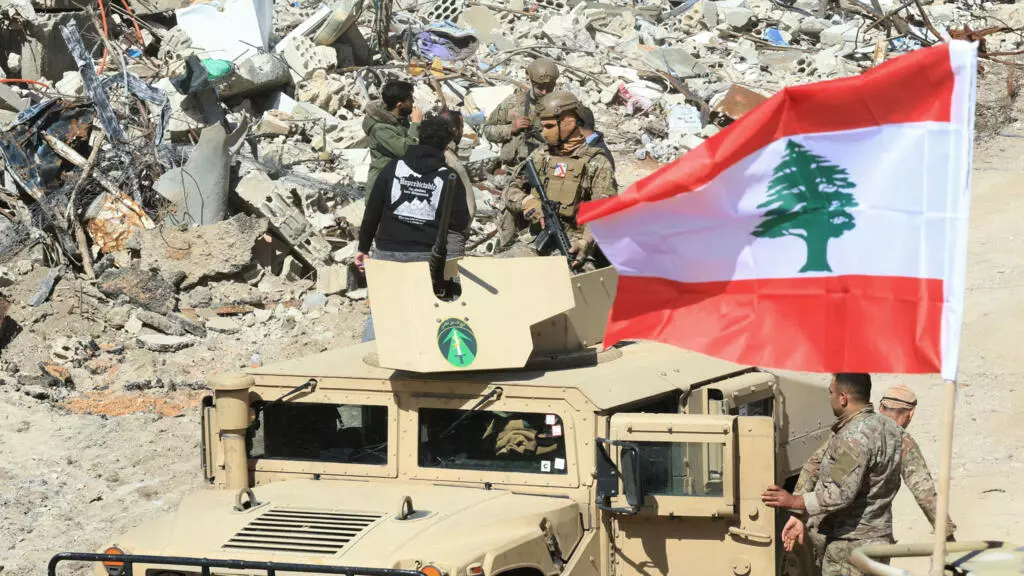
The Beirut Port explosion was not simply a tragic accident, but a catastrophe enabled by years of political negligence and institutional complacency. On August 4, 2020, 2,750 tonnes of ammonium nitrate stored in Hangar 12 alongside fireworks exploded, killing at least 218 people, injuring roughly 7,000, and displacing approximately 300,000 more. Yet in the six years since the blast, efforts to hold those responsible accountable have been repeatedly obstructed, leaving justice suspended and the victims without closure. Rather than focusing solely on the explosion itself, Sally Ali in her essay, “August 4 and the Insolence of Crime,” examines the political structure that allowed such dangerous conditions to persist and, more importantly, the system that has survived largely unchanged in its aftermath. The question is not simply whether justice has yet to arrive, but whether the greater danger lies in the state’s ability to endure six entire years after a crime that should have fundamentally transformed it.
French, Historical Memory, and Algeria's Linguistic Future
By Naomi Pham
In Algeria, the debate over whether French should be replaced by English has become increasingly entangled with broader geopolitical and ideological tensions, often overshadowing the country’s actual linguistic and educational needs. In his discussion of Algeria’s “language question,” Algerian novelist and author Waciny Laredj rejects both the demonization of French and the uncritical glorification of English, arguing instead for a pragmatic, historically informed, and educationally sound approach to multilingualism.* French remains deeply embedded in Algerian society, from everyday communication to education and professional life, making its complete removal an enormous and potentially disruptive undertaking. At the same time, Laredj challenges narratives that portray French solely as a colonial legacy, pointing to moments in which the language played an important role in intellectual, political, and liberation movements. The question facing Algeria is not simply whether French should be replaced by English, but whether such a transition is practical, historically conscious, and genuinely beneficial to the country and future generations.
Fear, Violence, and Lebanon’s Collapse of Moral Order
By
Elie Chalala
As an academic and editor who regularly follows news and interviews from the Arab world, I am often struck by a recurring line of reasoning in discussions of the Arab-Israeli conflict: Israel, some argue, does not need a reason to attack, because aggression is inherent to its nature.
This memory came back to me while reading Marwan Harb’s recent article in Al Modon, “Preventive Killing: No One Is Innocent.”* Harb reflects on the erosion of “innocence” a
Lebanon’s Empty Institutions and the Architecture of Collapse
By
Elie Chalala
Many debates on Arab politics revolve around the absence of institutionalization as a root cause of underdevelopment, corruption, and authoritarianism. This absence is often contrasted with the prevalence of personal rule — the dominant form of governance in much of the Arab world. Leading scholars and analysts have long emphasized the urgent need to shift Arab politics away from personalism and toward institutionalism, where laws, not individuals, determine the course of governance.
Why a U.S. Envoy’s Suggestion Touched a Nerve in Lebanon
By
Elie Chalala
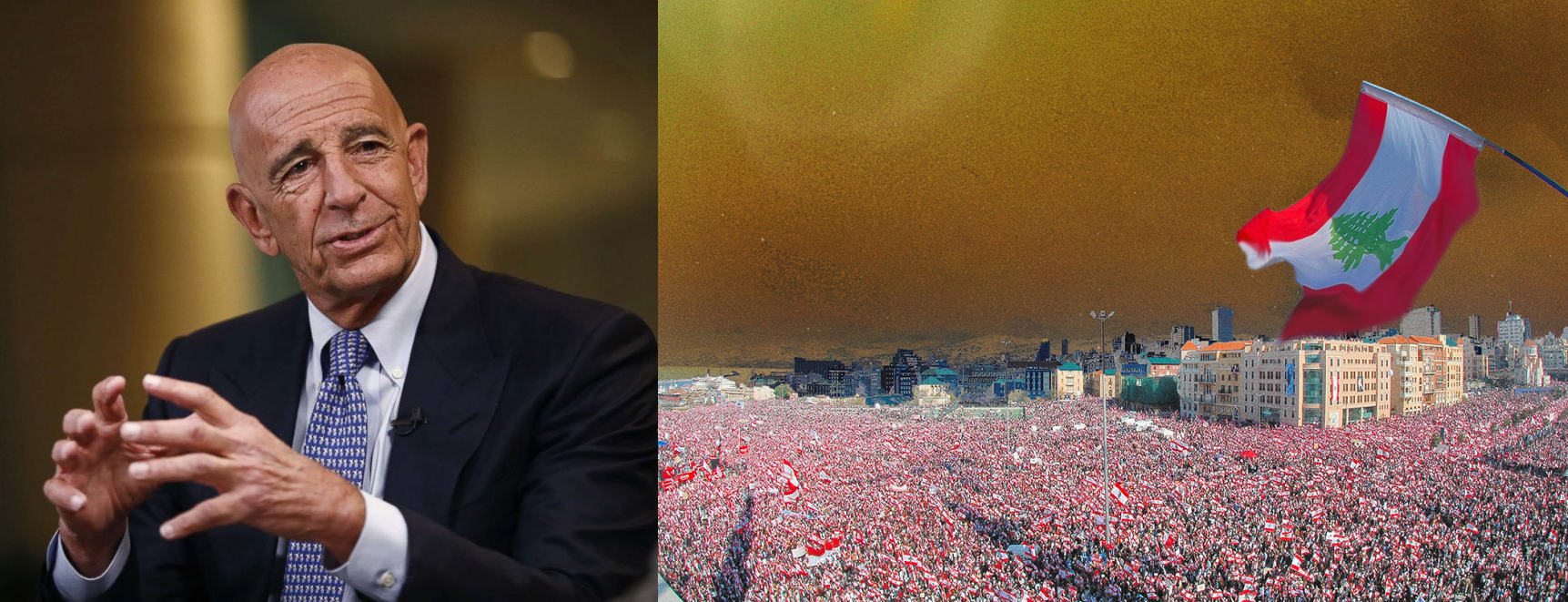
Lebanon, long entangled in regional rivalries involving Israel, Syria, Iran, and other powers, now faces a renewed challenge from the American ambassador to Turkey and special envoy to Syria and Lebanon, Ambassador Thomas Barrack. His recent interviews and social media posts — particularly to Arab newspapers such as The National (UAE) and Arab News (Saudi Arabia) — have sparked controversy across Lebanon.
Lebanese Media Turns National Failures into Myths of Triumph, Confusing Devastation with False Glory
By
Elie Chalala
Marwan Harb’s "We Do Not Live in Tragedy, We Live From It"* presents a multi-layered thesis that combines culture, psychology, and politics. In his essay published in Al Modon, Harb explores how tragedy is transformed into art, humor, and ritual, for "the Lebanese transform tragedy into the essence of their existence: Instead of living in tragedy, they draw life from it."
Syrian Novelist Samar Yazbek Perceives Lebanon’s Identity as Shaped by Openness Rather Than Stability
By
Elie Chalala
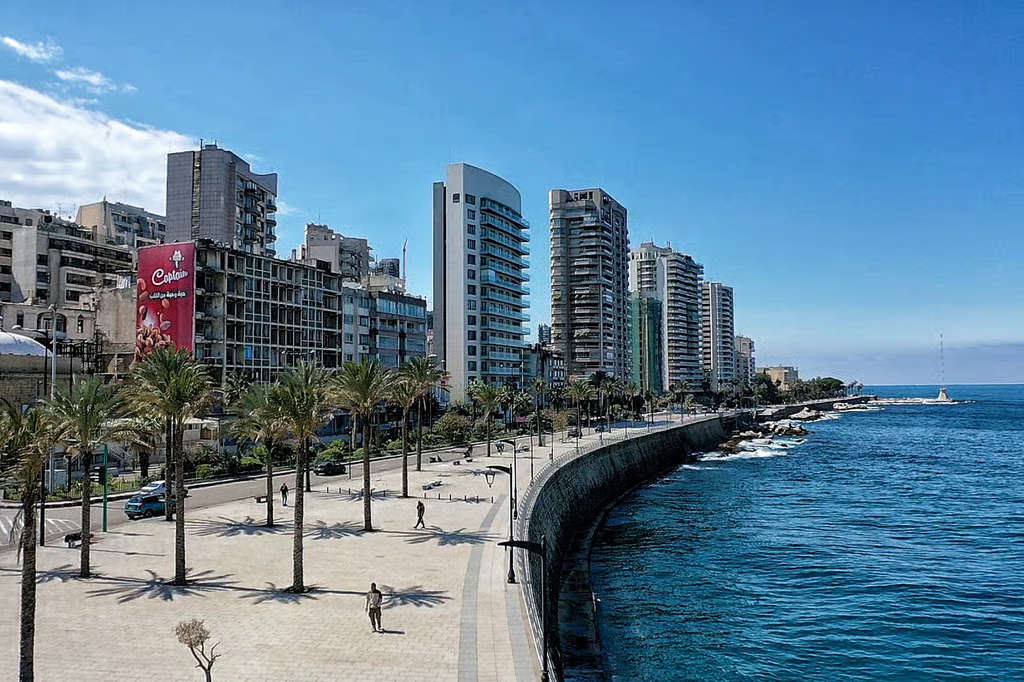
Samar Yazbek’s analysis of Beirut aligns with that of a political and cultural historian, uncovering previously hidden and lesser-known aspects of the city. In her analysis of "Beirut... The Fragility That Guards Memory,"* published in The New Arab, Yazbek assumes the roles of historian, political scientist, and chronicler of the city, uncovering the lesser-known aspects of the Lebanese capital's modern history.
Samar Yazbek on Syria’s Oppressive History of Manufacturing Female Vulnerability
By
Naomi Pham
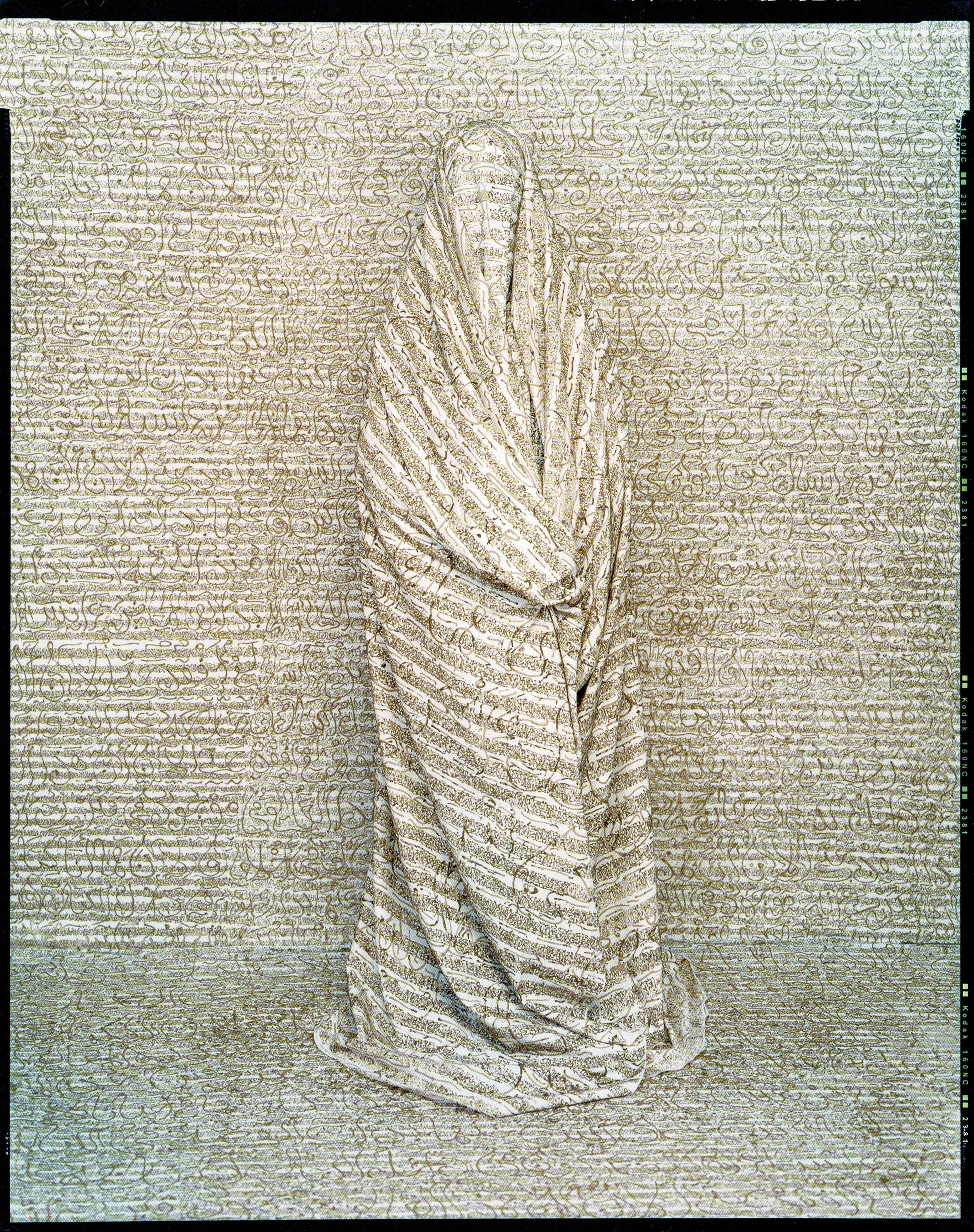
The questions of freedom and equality remain on the minds of many Syrians as the country navigates not only change, emerging from the Assad regime’s decades-long grasp, but also the recent tragedies of the coastal massacres. Liberating the country from tyranny extends beyond resolving its systemic judicial and political issues, but must also be re-examined from a fundamental human rights perspective.
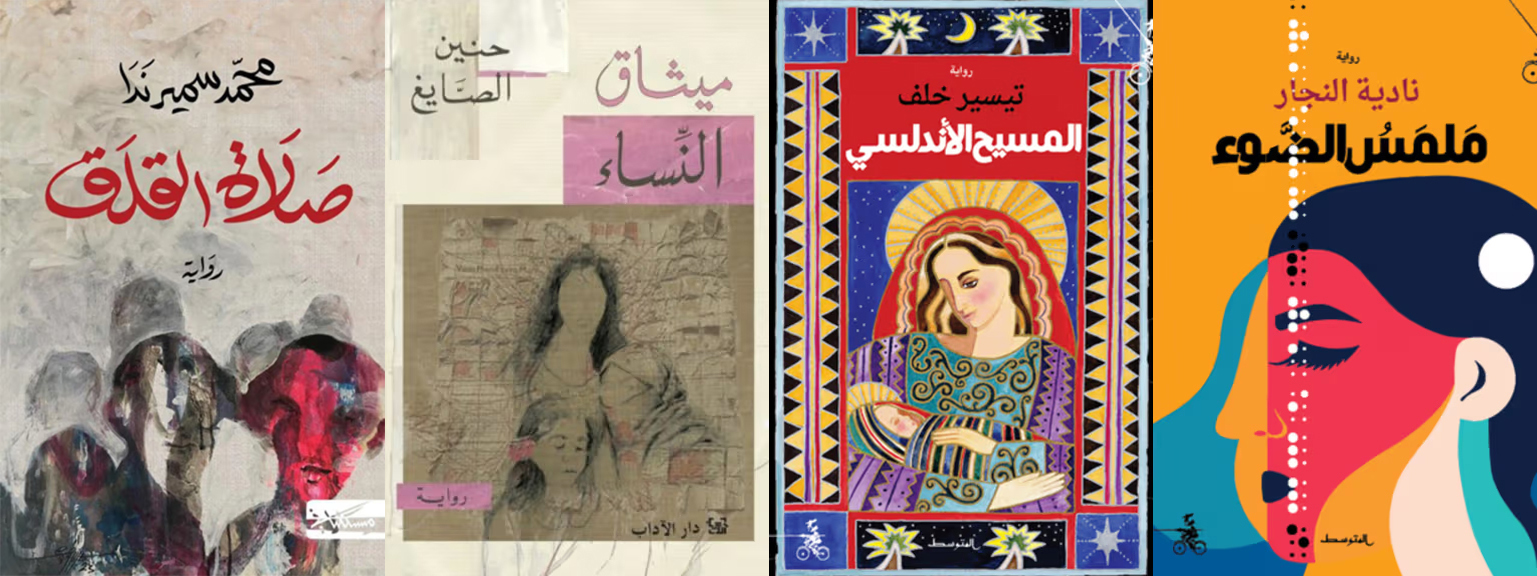
Not a year goes by without the same discussions questioning the authenticity of literary prize culture in the Arab world. Since its inception in 2007, the International Prize for Arabic Fiction (IPAF), often referred to as the Arabic Booker Prize, has been the subject of scrutiny among literary critics and authors. Ghazlan Touati's article "The 'Booker' and Arab Women Writers...