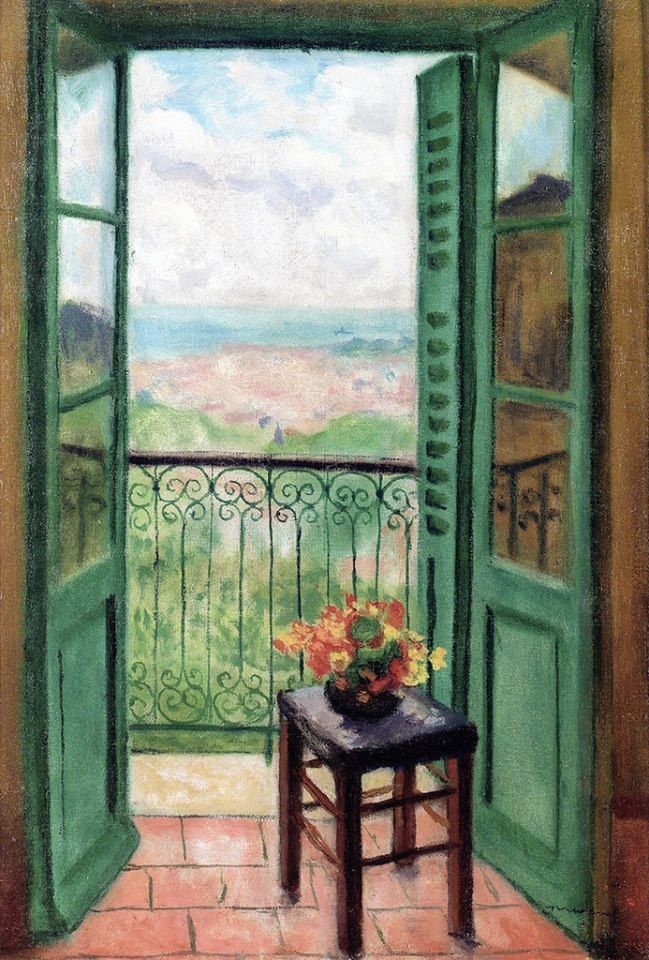
Art has played an influential role in making sense of the loss felt after the August 4 explosion. Tom Young’s “Strong Angels” and other paintings show a human dimension of the tragedy and its civilian heroes, who “join forces to lift the city’s grief,” writes Darine Houmani of Diffah Three (The New Arab). “Despite all its devastation, the August 4 explosion brought greater impetus to preserve our heritage and brought about a database of our historical buildings that hadn’t been done before,” states Mona Hallak, an architect, heritage activist, and director of the American University of Beirut’s Neighborhood Initiative, as cited in The New Arab. Several weighed in on the rebuilding efforts, including Lebanese architect Jad Tabet, who proposed “rehabilitation” rather than “reconstruction,” focusing on preserving the city’s existing social fabric and inhabitants alongside the architecture (for further reading on Jad Tabet and architectural heritage, see Al Jadid, Vol. 4, No, 25, Fall 1998; Vol. 5, No. 26, Winter 1999; and Vol. 24, No. 79, 2020). As art historian and gallery owner Andrée Sfeir-Semler says, “You need to nourish people with art and culture because that is what feeds their souls.”
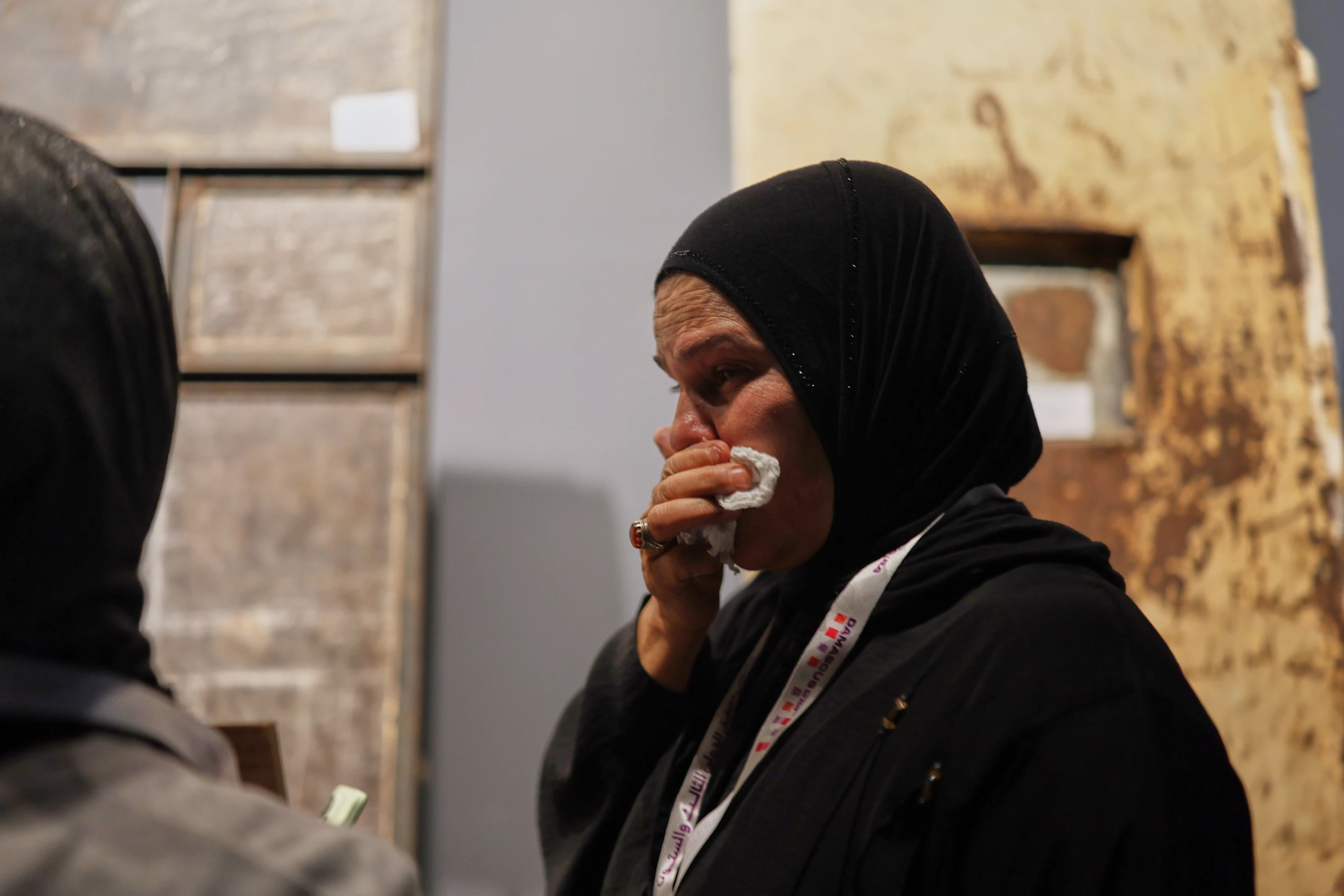
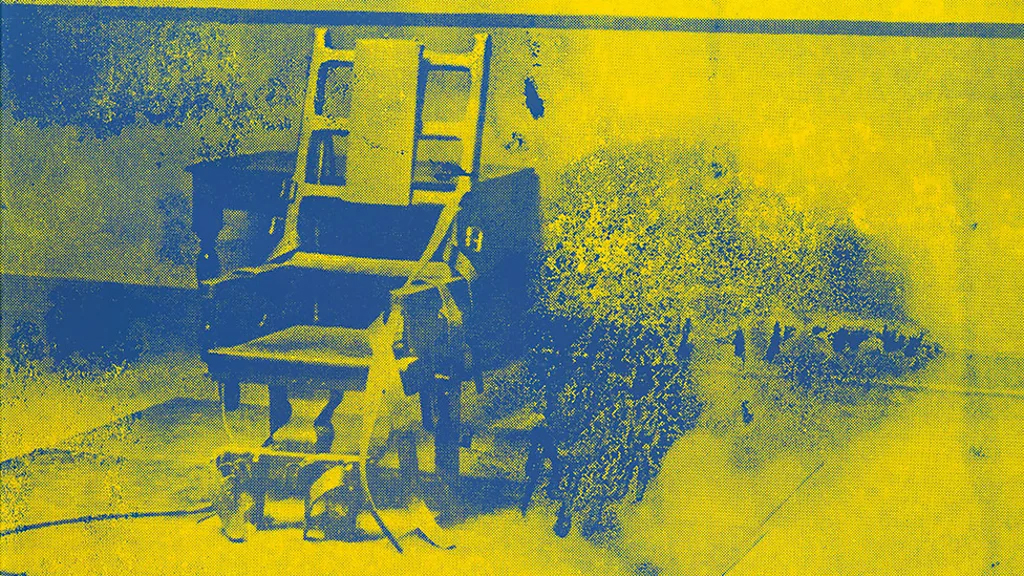
“Everything became visible. The prisons were opened. People entered them. Cells were photographed. Papers, clothes, remnants of beds, doors, and instruments of torture were collected. What had once been hidden was now placed before everyone’s eyes,” writes Sally Ali in her essay, “Should We ‘Eat Each Other’s Worries’?”, published in Al Modon.* Yet visibility does not necessarily constitute remembrance, nor does displaying the material remains of suffering mean that those who suffered have been cared for in the aftermath. The 63rd Damascus International Fair held in late August brought the horrors of Assad’s prisons out under open air for all to see. The exhibition “When the Walls Speak” was presented in the Interior Ministry’s pavilion. The exhibit included a reconstruction of a cell using real cell doors, detainees’ clothing, handcuffs and other restraints, and a chair used for torture — all items collected from the various prisons and security branches, including Military Security Branch 248, which operated under the Assad regime.
A healthy literature cannot be entirely free of crime fiction, or, more broadly, of literature that confronts crime, violence, and human conflict. No society is free of conflicts, whether visible or hidden. A brief look at Algeria’s history before and after independence reveals a long record of political upheaval, repression, and violence. The question, then, is not whether such realities exist, but whether literature is willing to confront them.
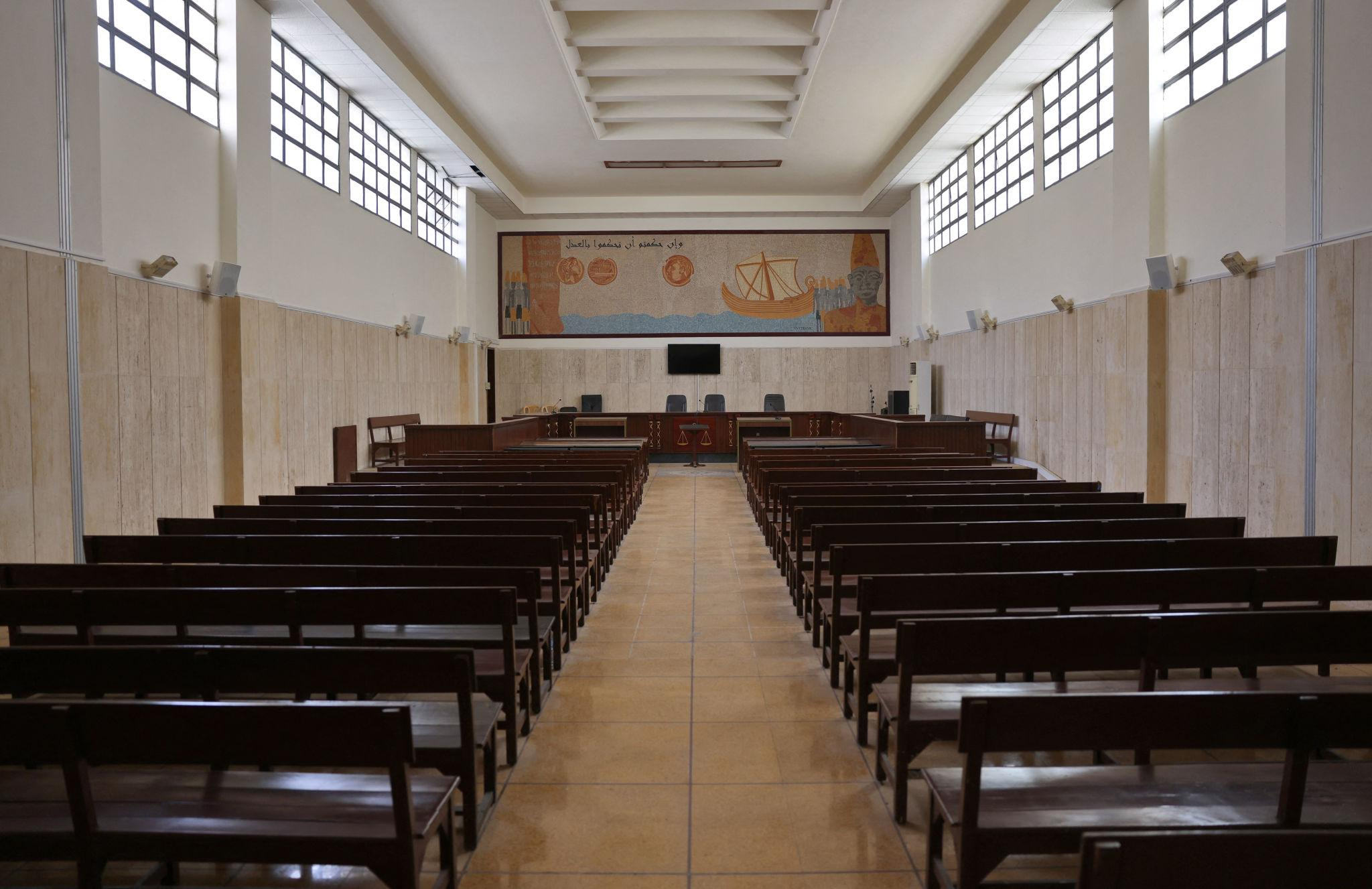
“A state is not tested when it tries someone who is widely loved. It is tested when it tries someone whom most of the country despises,” writes Sally Ali in her essay, “On One Day, Beirut Abolishes and Damascus Executes.” This observation is particularly relevant to the recent death penalty decisions in Syria and Lebanon, where the question of punishment has become inseparable from the question of state governance. On August 11, the Damascus Criminal Court sentenced former Syrian president Bashar al-Assad, his brother Maher al-Assad, cousin Atef Najib, former Defense Minister Fahd Jassem al-Freij, and five other former regime officials to death, a ruling that raises broader questions about what kind of government Syria will establish in the aftermath of the Assad regime. On the same day, Lebanon’s parliament approved the abolition of the death penalty, a decision that Marwan Harb argues may carry little meaning for Lebanese citizens unless the state can also address its political and social failures. Together, the contrasting decisions in Syria and Lebanon demonstrate how the death penalty can serve not merely as a form of punishment, but as a measure of a state’s commitment to justice, accountability, and legitimate governance.
August 4 and the Collapse of Lebanon's Last Illusion
By Elie Chalala
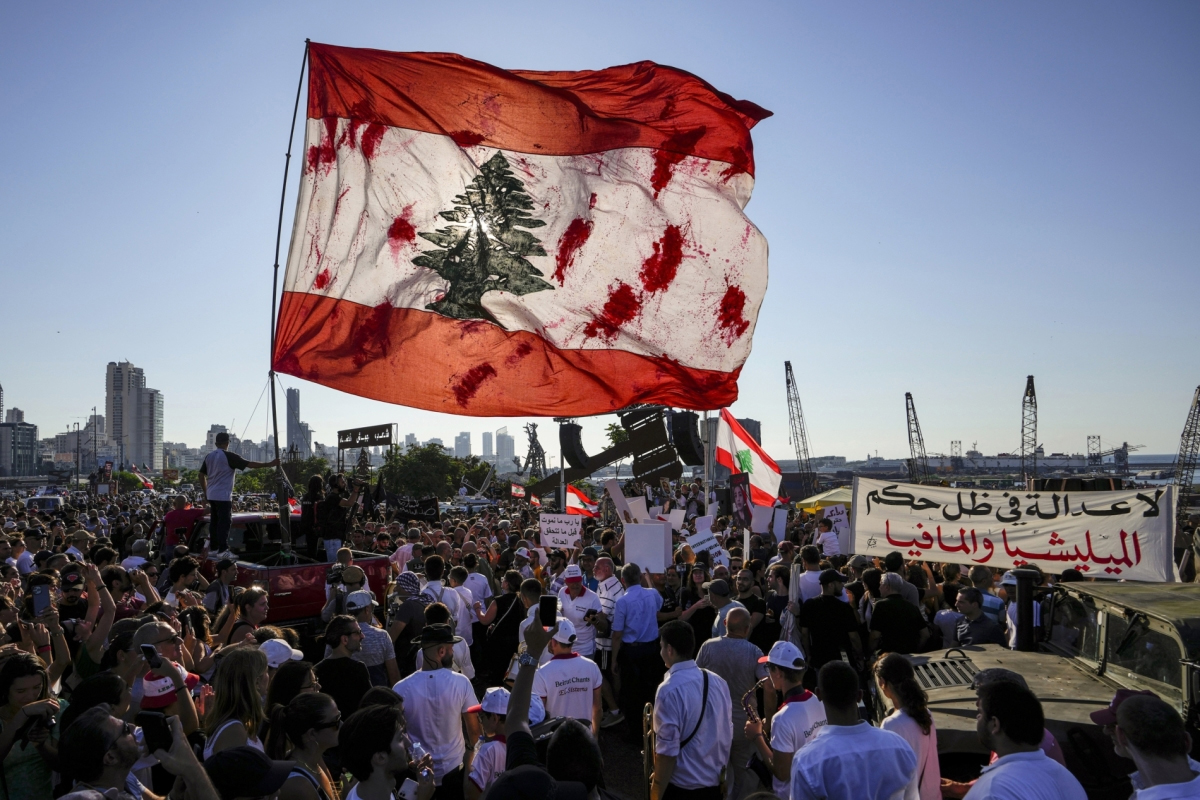
The Beirut Port explosion was not simply a tragic accident, but a catastrophe enabled by years of political negligence and institutional complacency. On August 4, 2020, 2,750 tonnes of ammonium nitrate stored in Hangar 12 alongside fireworks exploded, killing at least 218 people, injuring roughly 7,000, and displacing approximately 300,000 more. Yet in the six years since the blast, efforts to hold those responsible accountable have been repeatedly obstructed, leaving justice suspended and the victims without closure. Rather than focusing solely on the explosion itself, Sally Ali in her essay, “August 4 and the Insolence of Crime,” examines the political structure that allowed such dangerous conditions to persist and, more importantly, the system that has survived largely unchanged in its aftermath. The question is not simply whether justice has yet to arrive, but whether the greater danger lies in the state’s ability to endure six entire years after a crime that should have fundamentally transformed it.
French, Historical Memory, and Algeria's Linguistic Future
By Naomi Pham
In Algeria, the debate over whether French should be replaced by English has become increasingly entangled with broader geopolitical and ideological tensions, often overshadowing the country’s actual linguistic and educational needs. In his discussion of Algeria’s “language question,” Algerian novelist and author Waciny Laredj rejects both the demonization of French and the uncritical glorification of English, arguing instead for a pragmatic, historically informed, and educationally sound approach to multilingualism.* French remains deeply embedded in Algerian society, from everyday communication to education and professional life, making its complete removal an enormous and potentially disruptive undertaking. At the same time, Laredj challenges narratives that portray French solely as a colonial legacy, pointing to moments in which the language played an important role in intellectual, political, and liberation movements. The question facing Algeria is not simply whether French should be replaced by English, but whether such a transition is practical, historically conscious, and genuinely beneficial to the country and future generations.
Life can be sweet or spicy, depending on who is there to share it with you.
Life Without a Recipe
By Diana Abu-Jaber
W.W, Norton & Co., 2016
Proust may have had his madeleines, but Diana Abu-Jaber has her father’s grape leaves, her grandmother’s Catholic cookies, and her teta’s kknafeh. In “Life Without a Recipe,” all roads lead to the kitchen, a place of healing, love, boundaries and family.
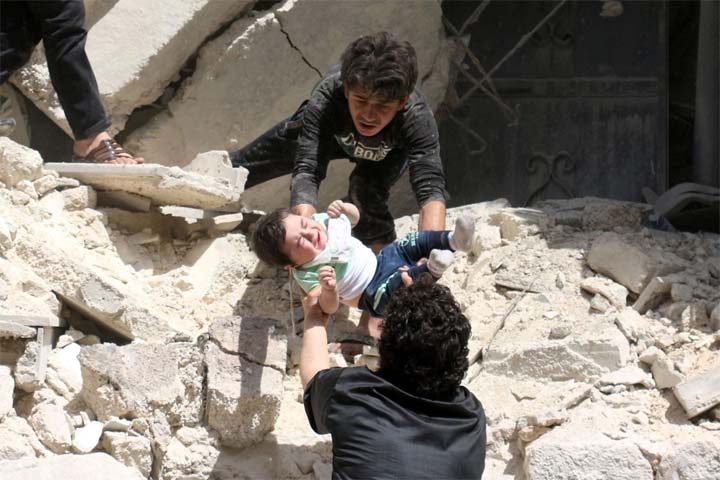
While preparing my report on the Holocaust of Aleppo, I felt the customary format of broadcast news did not allow me to express my feelings. Thus, I have resorted to these written words in order to release my unbearable pain after watching a father breaking and clawing at stones with his bare hands in search of his children, entombed under mountains of rubbles.
While preparing my report on the Holocaust of Aleppo, I felt the customary format of broadcast news did not allow me to express my feelings.
When talking about what is happening in Syria, I face the inability of language to express reality. My vocabulary remains limited. My ability to describe reality, the basic forms of literature and writing, remains limited. Nothing I have written or read could be elevated to the level of one moment of the reality experienced by Syrians in their disastrous country, or in their great Diaspora into which they were unmercifully pushed.
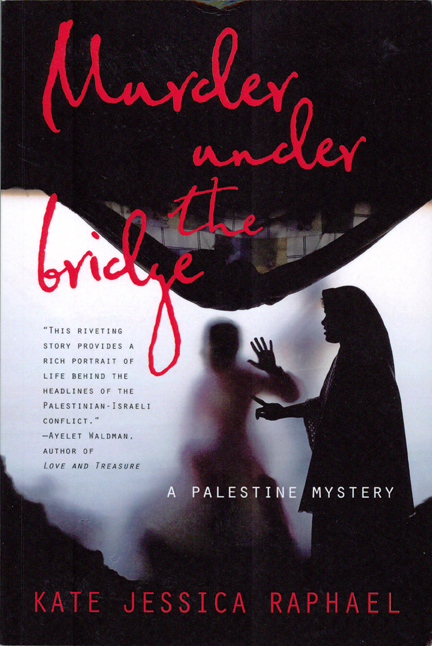
"...although a Palestine mystery, “Murder Under the Bridge” presents readers with a crime that exposes the harsh plight of illegal foreign female workers in Israel and the corruption that leads to their abuse."
Murder Under the Bridge, a Palestine Mystery
By Kate Jessica Raphael
She Writes Press, 2015
Kate Jessica Raphael describes her novel, “Murder Under the Bridge, a Palestine Mystery,” as “the product of my imagination and experience – the experience and imagination of a white, Jewish American who spent around eighteen months in Palestine, with brief forays into Israel
In the translator’s introduction, Radwan explains the importance of the timing of this publication, shedding light on this pioneering figure who predominantly contributed to Arabic literature through his novels, short stories, and plays.
The Revolt of the Young: Essays by Tawfiq al-Hakim
Translated by Mona Radwan
Syracuse UP, 2015, 145 pp.
In 1984, Tawfiq al-Hakim (1898-1987) – a major literary and intellectual figure in Egypt and the Arab world who contributed to the development of Arabic literature – wrote “Thawrat al-Shabab” (“The Revolt of the Young”).
“Nada’s Revolution” follows the tale of the 27-year Nada Ahmed, an Alexandrian woman looking to make decisions about marriage and career in the years after the revolutionary wave of the Arab Spring. In “Feminism Inshallah: A History of Arab Feminism,” Feriel Ben Mahmoud, the film’s director, traces the beginnings of feminism to male feminists such as the Egyptian Qasim Amin (1863-1908), whose nationalist aspirations for Egypt fueled his assertion that the Quran supported women’s rights — essential to throwing off the yoke of colonialism and joining the modern world.
Hamdar’s examination of the female body in illness and suffering presents a compelling contribution to the body of literary criticism of Arabic Literature. She invokes strains of critical thought — like Foucault and the idea of discourse — using them to map the development of the image of the female body in recent Arabic literature.