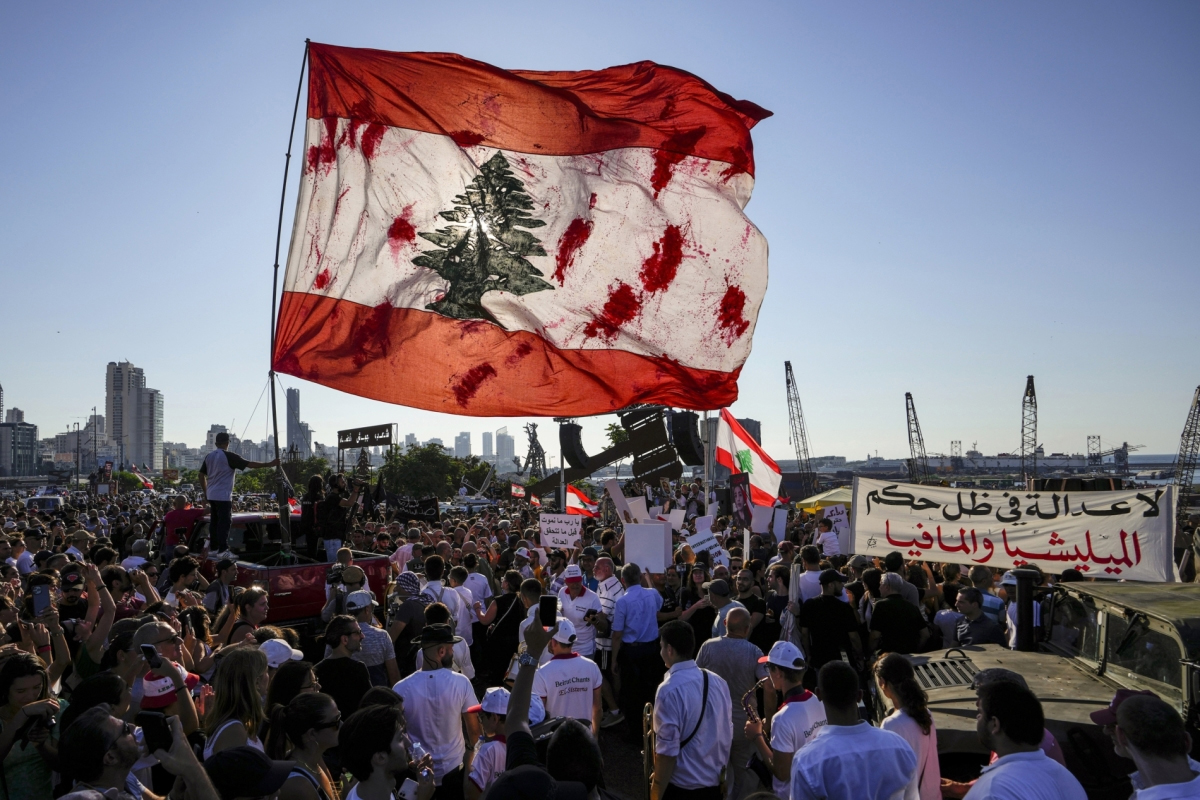
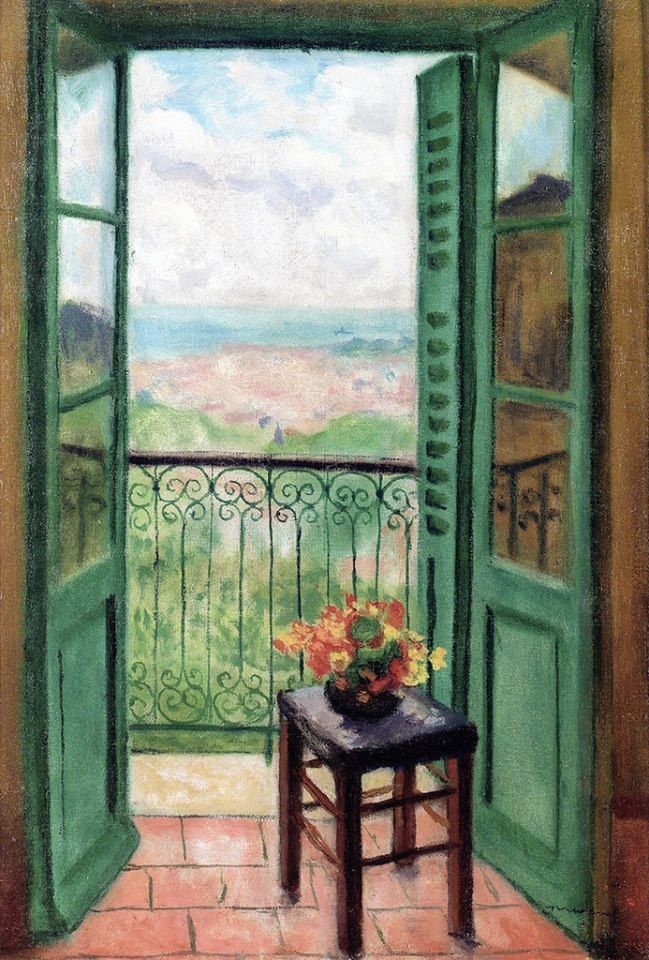
Art has played an influential role in making sense of the loss felt after the August 4 explosion. Tom Young’s “Strong Angels” and other paintings show a human dimension of the tragedy and its civilian heroes, who “join forces to lift the city’s grief,” writes Darine Houmani of Diffah Three (The New Arab). “Despite all its devastation, the August 4 explosion brought greater impetus to preserve our heritage and brought about a database of our historical buildings that hadn’t been done before,” states Mona Hallak, an architect, heritage activist, and director of the American University of Beirut’s Neighborhood Initiative, as cited in The New Arab. Several weighed in on the rebuilding efforts, including Lebanese architect Jad Tabet, who proposed “rehabilitation” rather than “reconstruction,” focusing on preserving the city’s existing social fabric and inhabitants alongside the architecture (for further reading on Jad Tabet and architectural heritage, see Al Jadid, Vol. 4, No, 25, Fall 1998; Vol. 5, No. 26, Winter 1999; and Vol. 24, No. 79, 2020). As art historian and gallery owner Andrée Sfeir-Semler says, “You need to nourish people with art and culture because that is what feeds their souls.”
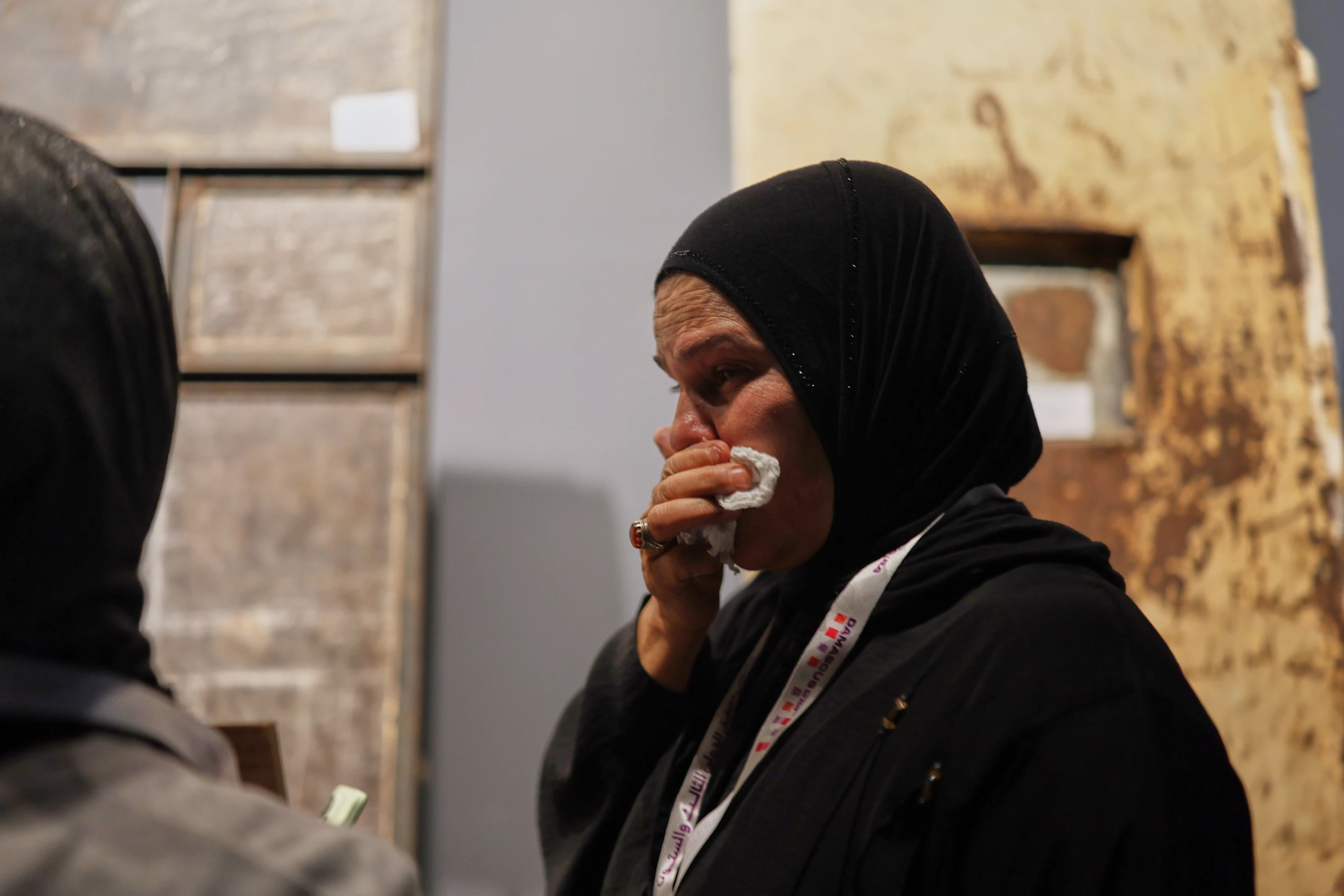
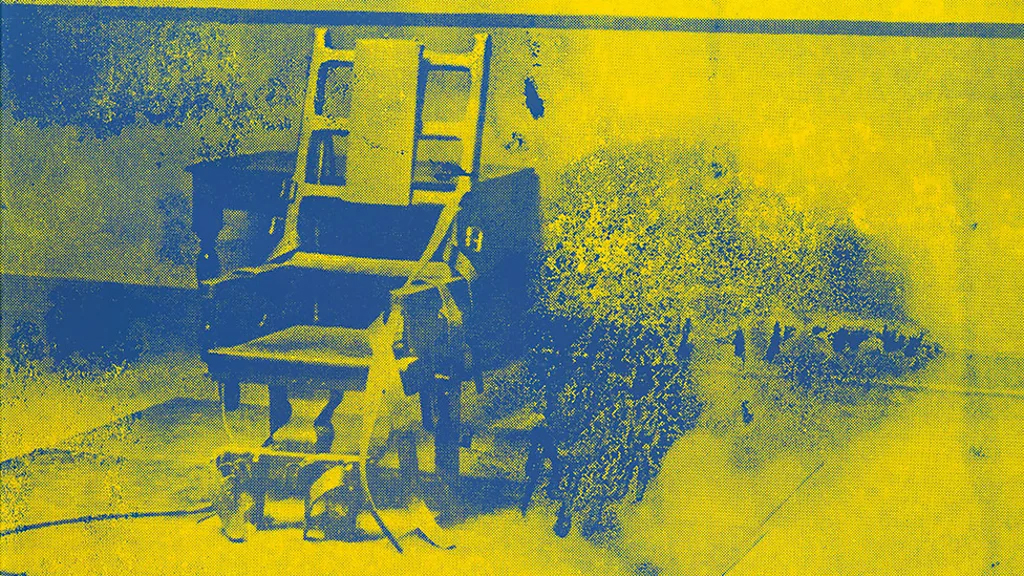
“Everything became visible. The prisons were opened. People entered them. Cells were photographed. Papers, clothes, remnants of beds, doors, and instruments of torture were collected. What had once been hidden was now placed before everyone’s eyes,” writes Sally Ali in her essay, “Should We ‘Eat Each Other’s Worries’?”, published in Al Modon.* Yet visibility does not necessarily constitute remembrance, nor does displaying the material remains of suffering mean that those who suffered have been cared for in the aftermath. The 63rd Damascus International Fair held in late August brought the horrors of Assad’s prisons out under open air for all to see. The exhibition “When the Walls Speak” was presented in the Interior Ministry’s pavilion. The exhibit included a reconstruction of a cell using real cell doors, detainees’ clothing, handcuffs and other restraints, and a chair used for torture — all items collected from the various prisons and security branches, including Military Security Branch 248, which operated under the Assad regime.
A healthy literature cannot be entirely free of crime fiction, or, more broadly, of literature that confronts crime, violence, and human conflict. No society is free of conflicts, whether visible or hidden. A brief look at Algeria’s history before and after independence reveals a long record of political upheaval, repression, and violence. The question, then, is not whether such realities exist, but whether literature is willing to confront them.
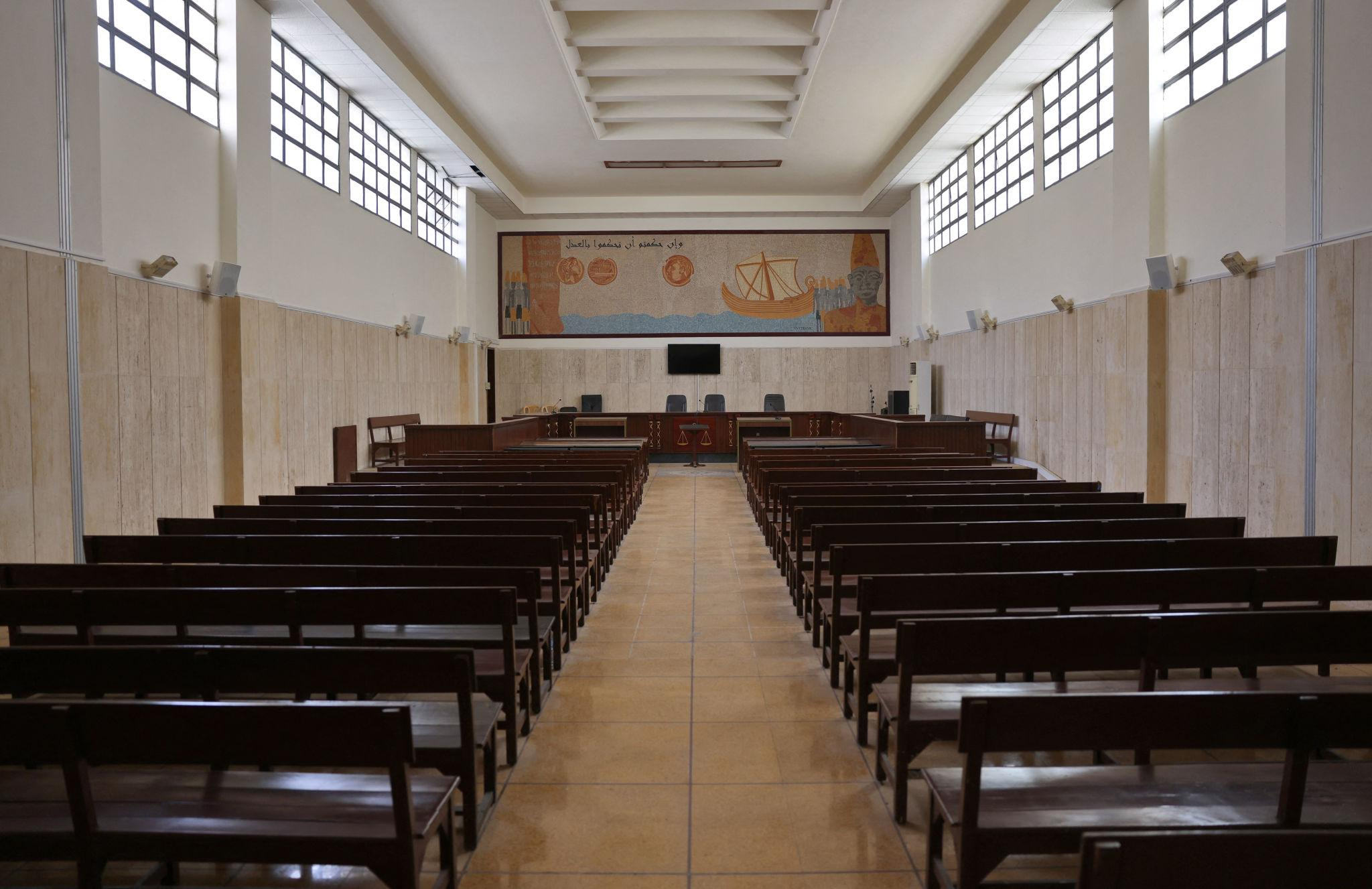
“A state is not tested when it tries someone who is widely loved. It is tested when it tries someone whom most of the country despises,” writes Sally Ali in her essay, “On One Day, Beirut Abolishes and Damascus Executes.” This observation is particularly relevant to the recent death penalty decisions in Syria and Lebanon, where the question of punishment has become inseparable from the question of state governance. On August 11, the Damascus Criminal Court sentenced former Syrian president Bashar al-Assad, his brother Maher al-Assad, cousin Atef Najib, former Defense Minister Fahd Jassem al-Freij, and five other former regime officials to death, a ruling that raises broader questions about what kind of government Syria will establish in the aftermath of the Assad regime. On the same day, Lebanon’s parliament approved the abolition of the death penalty, a decision that Marwan Harb argues may carry little meaning for Lebanese citizens unless the state can also address its political and social failures. Together, the contrasting decisions in Syria and Lebanon demonstrate how the death penalty can serve not merely as a form of punishment, but as a measure of a state’s commitment to justice, accountability, and legitimate governance.
August 4 and the Collapse of Lebanon's Last Illusion
By Elie Chalala
The Beirut Port explosion was not simply a tragic accident, but a catastrophe enabled by years of political negligence and institutional complacency. On August 4, 2020, 2,750 tonnes of ammonium nitrate stored in Hangar 12 alongside fireworks exploded, killing at least 218 people, injuring roughly 7,000, and displacing approximately 300,000 more. Yet in the six years since the blast, efforts to hold those responsible accountable have been repeatedly obstructed, leaving justice suspended and the victims without closure. Rather than focusing solely on the explosion itself, Sally Ali in her essay, “August 4 and the Insolence of Crime,” examines the political structure that allowed such dangerous conditions to persist and, more importantly, the system that has survived largely unchanged in its aftermath. The question is not simply whether justice has yet to arrive, but whether the greater danger lies in the state’s ability to endure six entire years after a crime that should have fundamentally transformed it.
French, Historical Memory, and Algeria's Linguistic Future
By Naomi Pham
In Algeria, the debate over whether French should be replaced by English has become increasingly entangled with broader geopolitical and ideological tensions, often overshadowing the country’s actual linguistic and educational needs. In his discussion of Algeria’s “language question,” Algerian novelist and author Waciny Laredj rejects both the demonization of French and the uncritical glorification of English, arguing instead for a pragmatic, historically informed, and educationally sound approach to multilingualism.* French remains deeply embedded in Algerian society, from everyday communication to education and professional life, making its complete removal an enormous and potentially disruptive undertaking. At the same time, Laredj challenges narratives that portray French solely as a colonial legacy, pointing to moments in which the language played an important role in intellectual, political, and liberation movements. The question facing Algeria is not simply whether French should be replaced by English, but whether such a transition is practical, historically conscious, and genuinely beneficial to the country and future generations.
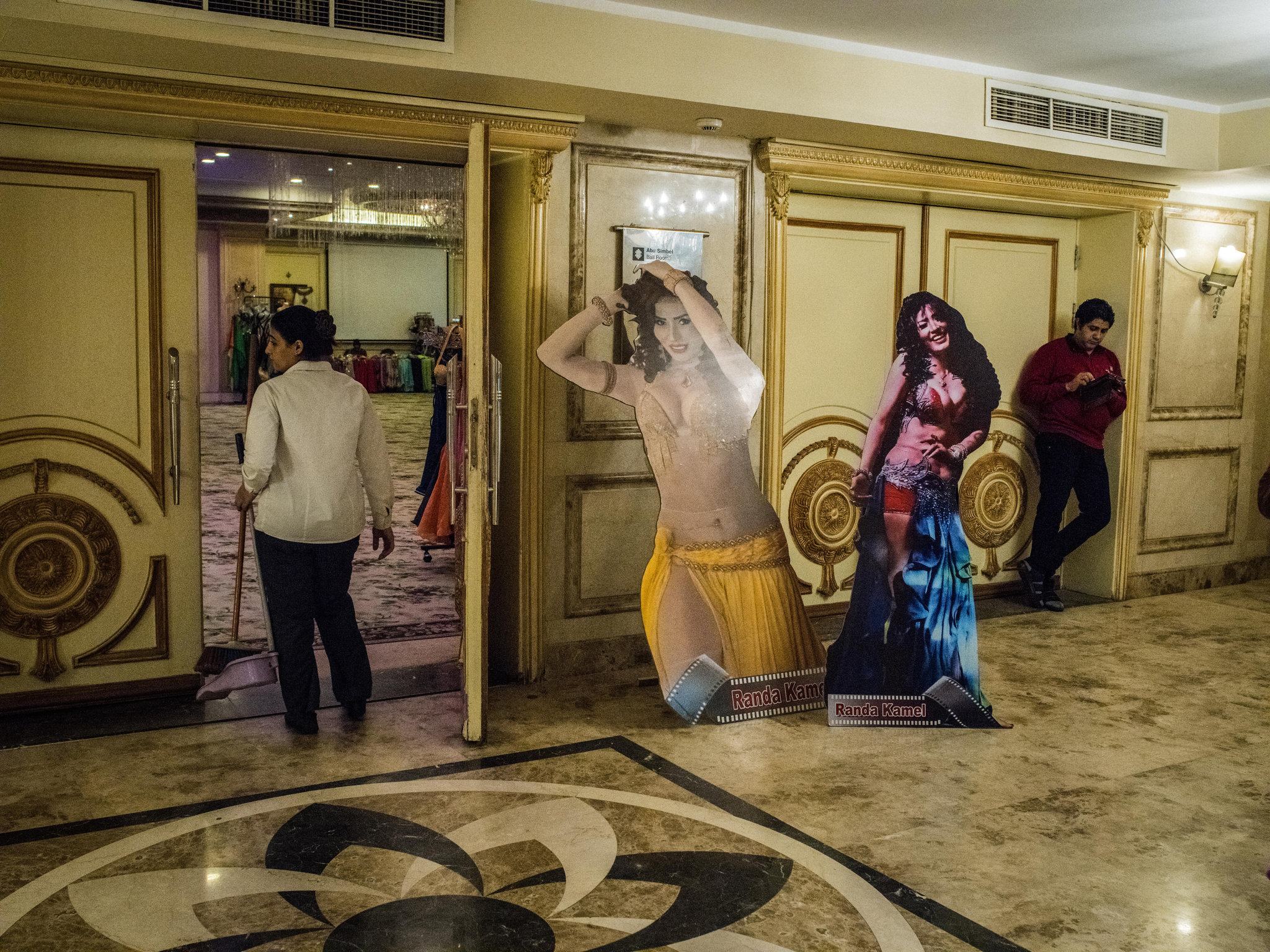
The recent arrest of Russian belly dancer Ekaterina Andreeva, who goes by her stage name Johara, has sparked questions about how to view foreigners participating in this dance career. In his article for the New York Times, Declan Walsh discusses this supposed “sullying” of the Egyptian ancient art form. In Egypt’s current belly-dancing scene, foreigners -- the majority of whom come from America, the United Kingdom, Brazil, and Eastern Europe – dominate the ranks and appear among the most well-known dancers in their field. According to Walsh, “The foreigners bring an athletic, high-energy sensibility to the dance, more disco than Arabian Nights. Their sweeping routines contrast with the languid, subtly suggestive style of classic Egyptian stars. Some are overtly sexual.”
As a public intellectual, Ella Shohat has found that her personal history profoundly informs her scholarship. Born in Israel to Iraqi parents who had migrated to that country after 1948, Shohat grew up in an Israeli culture that discriminated against Mizrahi Jews.
Without the contributions of the legendary translator Denys Johnson-Davies, who passed away in Cairo at the age of 94, on May 22, 2017, much of the West might not have known of Naguib Mahfouz, who won the Nobel Prize in literature in 1988, or of several other renowned Arab writers.
On Friday January 27, 2017, President Donald Trump signed an executive order that, for a 90-day period, suspended immigrant and nonimmigrant entry into the United States from Syria, Sudan, Iran, Somalia, Libya, and Yemen. It also, for a period of 120 days, suspended the Refugee Resettlement Program, placing an indefinite ban on Syrian refugees. “Leaving Syria: Seeking Refuge in Greece” makes clear the plight of Syrian refugees traces back to a much longer and tragic history.
Leaving Syria: Seeking Refuge in Greece
By Bill Dienst, MD and Madi Williamson
Cune Press, 2017
On Friday January 27, 2017, President Donald Trump signed an executive order that, for a 90-day period, suspended immigrant and nonimmigrant entry into the United States from Syria, Sudan, Iran, Somalia, Libya, and Yemen.
Watching “Daughters of Anatolia,” a film documenting the nomadic lifestyle of goat herders in contemporary Turkey, makes one aware of the value of ethnographic filmography over its drier, academic prose cousin. Describing the migratory path from the Mediterranean Sea to the Taurus Mountains cannot compare with seeing the breath-taking beauty of mountains in bloom as goats scramble over them.
Daughters of Anatolia
Directed by Halé Sofia Schatz
Grasshopper Film, 2015
Watching “Daughters of Anatolia,” a film documenting the nomadic lifestyle of goat herders in contemporary Turkey, makes one aware of the value of ethnographic filmography over its drier, academic prose cousin.
With two nations at odds for more than half of a century, different major power players brought all types of peace attempts to the table, but to no avail, with two significant exceptions. The Egyptian-Israeli Peace Treaty of 1979 stands as a lonely, if successful peace attempt, while the 1993 Oslo Accords represent the second, partially successful and incomplete effort. As a result, Palestinians and Israelis formally recognized each other’s existence, and committed themselves to working together to resolve the conflict in a non-violent manner.
With two nations at odds for more than half of a century, different major power players brought all types of peace attempts to the table, but to no avail, with two significant exceptions. The Egyptian-Israeli Peace Treaty of 1979 stands as a lonely, if successful peace attempt, while the 1993 Oslo Accords represent the second, partially successful and incomplete effort.